
Training
This section collects guides, comparisons, and practical insights to help runners train smarter. From understanding key metrics to choosing the right gear and building effective training habits, each article focuses on clear, actionable knowledge for consistent progress.
-
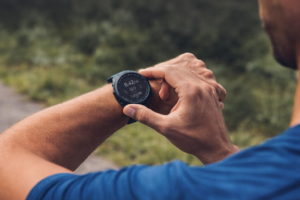
Do I Need a Running Watch? (Honest Guide for Everyday Runners)
Running watches are everywhere. GPS, heart rate, training load, VO2 max — it can feel like you need one to run properly. But the truth is simpler. You don’t need a running watch to become a better runner — but it can help, if you use it the right way.…
-

Time-Based Long Runs: Should Long Runs Be Based on Time or Distance?
Many runners wonder whether long runs should be based on time or distance. Both approaches are common in training plans, but many coaches prefer defining long runs by time on feet rather than distance. Training plans often prescribe numbers like 16 km, 24 km, or 30 km, and it’s easy to…
-

How Long Should a Long Run Be? (10K, Half, Marathon Guide)
A long run is typically 20–30% of your weekly running distance, depending on your experience and race goal. Some coaches prefer defining long runs by time instead of distance. This approach focuses on time on feet rather than kilometers, which can make it easier to keep the effort within the intended…
-

How Slow Should Long Runs Be?
Many runners assume that long runs should be one of the hardest workouts of the week. After all, they are the longest session in the training plan and often the most mentally demanding. But experienced runners and coaches usually follow a very different approach. In most training plans, long runs…
-

How to Run in Zone 2 Without Looking at Your Watch
If you’re not sure what heart rate you should actually aim for, read What Is a Good Heart Rate for Running — it helps you understand what “good” really means in practice. Many runners try to stay in Zone 2 by constantly checking their watch. Pace, heart rate, and alerts can make…
-

Easy Runs Explained: Why Running Slow Makes You Faster
Many runners struggle with the idea of running slow. When you start tracking your pace or heart rate, easy runs can feel almost too easy — sometimes even frustratingly slow. But what many runners don’t realize is that easy runs are not wasted miles. In fact, they are one of the most…
-

Heart Rate vs Pace: Which Should Runners Follow?
Most runners start by tracking their pace. Minutes per kilometer or mile feel like the most natural way to measure running performance. But pace does not always reflect the true effort your body is making. On some days, a pace that normally feels easy suddenly pushes your heart rate much…
-

How to Lower Heart Rate While Running (6 Proven Ways)
Running at an easy pace should feel comfortable. But many runners notice something frustrating: even when running slowly, their heart rate climbs higher than expected. This is especially common when building aerobic fitness. Factors like pace, fatigue, heat, and training experience can all push heart rate higher than it should…
-

Heart Rate Zones Explained for Runners (How to Use Them for Training)
Heart rate zones are one of the most useful tools for understanding training intensity. Instead of guessing how hard you are running, zones provide a simple framework that connects effort, physiology, and training purpose. Yet many runners feel confused when they first start using heart rate zones. Easy runs may…
-

Prepare for Race Day
Turn consistent training into confident race execution. Preparing for a race is not about running harder.It’s about running with intention. A race gives structure to your training and clarity to your effort.With the right preparation, race day becomes the natural outcome of consistent weeks. A structured plan works best when…