
Training
This section collects guides, comparisons, and practical insights to help runners train smarter. From understanding key metrics to choosing the right gear and building effective training habits, each article focuses on clear, actionable knowledge for consistent progress.
-
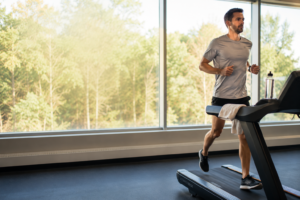
Can You Train for a Marathon on a Treadmill?
I think this question usually appears when real life starts interfering with ideal training. The weather turns bad. Winter makes outdoor long runs difficult. Summer heat becomes unreasonable. Work schedules shrink daylight. Suddenly the treadmill is no longer just a backup option. It becomes the place where training can actually…
-
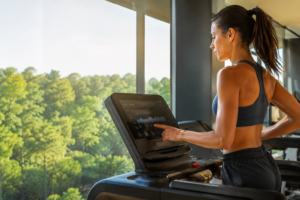
Best Types of Workouts for a Treadmill
One thing I’ve started noticing is that many runners think of the treadmill as a replacement. If the weather is bad, you run indoors. If the weather is good, you run outside. It sounds logical. But I honestly believe that way of thinking misses one of the treadmill’s biggest strengths.…
-

Are Treadmills Accurate? What Every Runner Should Know
One thing I’ve started noticing is that runners rarely question treadmill accuracy until something feels wrong. The display says one pace. Your watch says another. Your breathing suggests something else entirely. Suddenly, a simple indoor run becomes a small argument between three different sources of information. It can be surprisingly…
-
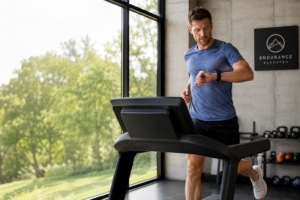
Treadmill Pace vs Outdoor Pace
One thing I’ve started noticing is that runners rarely ask whether a treadmill is accurate. They ask something slightly different. If I run five minutes per kilometre on a treadmill, is that really the same as running five minutes per kilometre outside? It sounds like a simple question. The answer…
-
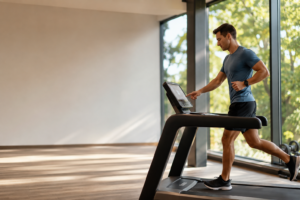
How to Set Treadmill Incline Properly
One of the first pieces of treadmill advice most runners hear is surprisingly simple. Set the incline to 1%. It sounds wonderfully precise. The problem is that many runners are never told why. Does one percent make treadmill running identical to running outside? Should every run use the same incline?…
-

Why Treadmill Running Feels Different
I think almost every runner notices it within the first few minutes. The pace may be familiar. The heart rate may look normal. The effort may even match what you expected. And yet, the run somehow feels different. Some runners describe treadmill running as easier. Others say it feels harder.…
-

Is Treadmill Running As Good As Outdoor Running?
I think most runners have slightly mixed feelings about treadmill running. On one hand, it is practical. It removes weather, darkness, ice, traffic, and complicated route planning. You can control pace, incline, temperature, and duration with a level of precision that outdoor running rarely allows. On the other hand, it…
-

Why You Should Not Judge Fitness From One Workout
I think one of the easiest mistakes in running is giving one workout too much authority. A single session goes better than expected, and suddenly it feels like your fitness has changed overnight. A workout feels harder than it should, and just as quickly, doubt appears. Maybe the training is…
-

Why Consistency Rarely Feels Like Progress
I’ve started noticing that consistency has a strange problem. It rarely feels important while it is happening. One good run feels memorable. A personal best feels exciting. A breakthrough workout gives you something to talk about for days. Consistency does none of those things. It asks you to lace up…
-

Why Good Training Often Feels Boring
I honestly believe this is one of the biggest surprises in long-term running. The better your training becomes, the less exciting it often feels. There are no dramatic breakthroughs every week. Most runs look remarkably similar. Easy runs stay easy. Long runs become part of the routine. Even hard workouts…