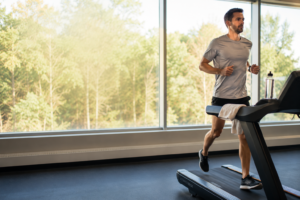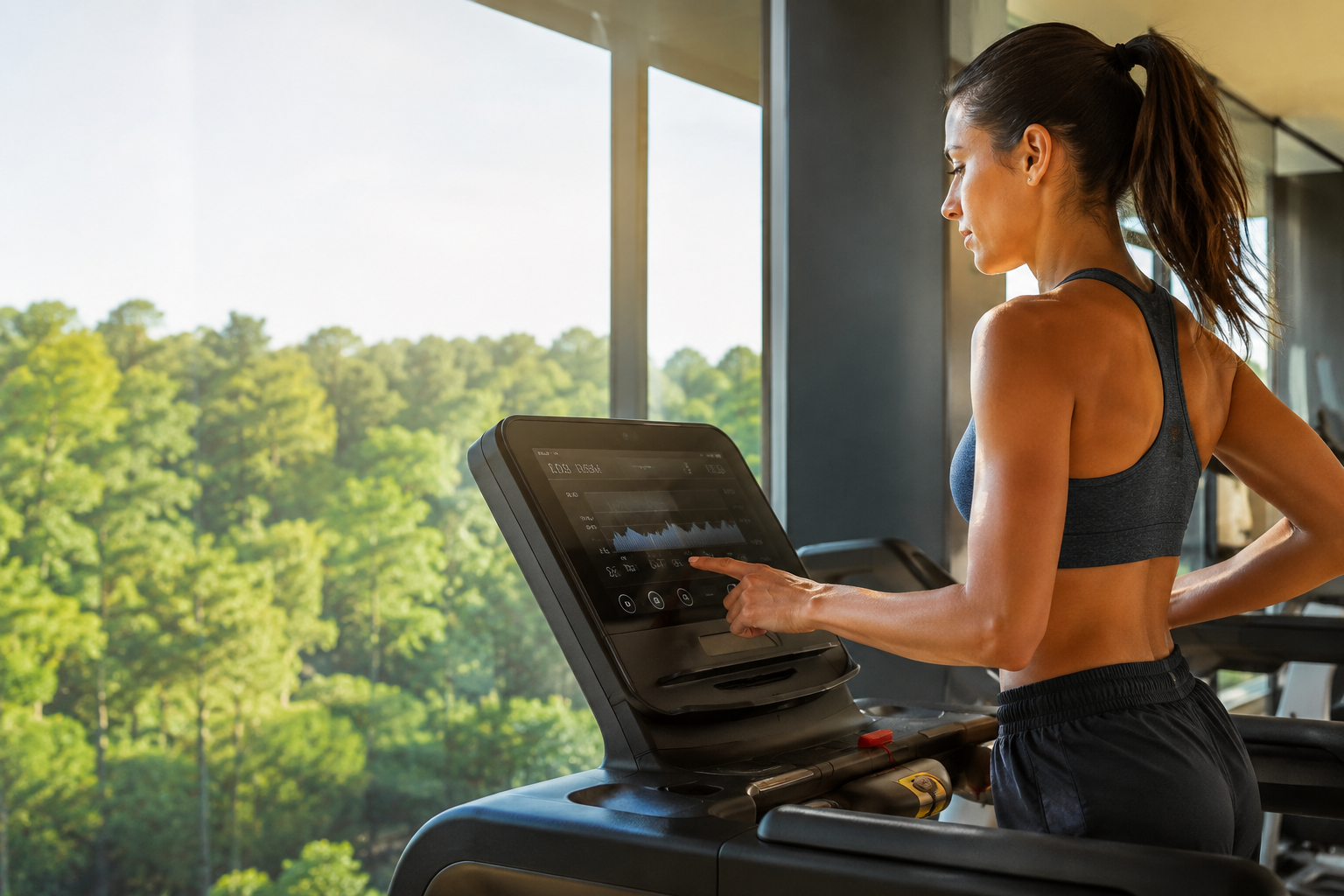
One thing I’ve started noticing is that many runners think of the treadmill as a replacement.
If the weather is bad, you run indoors. If the weather is good, you run outside. It sounds logical. But I honestly believe that way of thinking misses one of the treadmill’s biggest strengths.
A treadmill is not simply an indoor version of outdoor running. It is a training environment with its own advantages.
Some workouts become remarkably easy to control. Others become more repeatable. Certain sessions can even be performed more consistently indoors than they can on roads filled with traffic lights, changing terrain, and unpredictable weather.
That does not mean every workout is better on a treadmill. Far from it. But it does mean some types of training naturally benefit from the precision that a treadmill provides.
I think the most useful question is not whether you should run indoors or outdoors. It is which environment gives today’s workout the best chance of succeeding. That is where the treadmill becomes much more than a backup plan. It becomes another tool for building better training.
Some Workouts Benefit More From A Treadmill Than Others
One thing I’ve started noticing is that runners often ask whether a workout can be done on a treadmill. I think a more useful question is whether the treadmill actually improves that workout.
Sometimes it does. Sometimes it doesn’t. Take an easy run, for example.
Its purpose is to build aerobic fitness while keeping the effort comfortably controlled. On a treadmill, that is often remarkably easy to achieve. You are less likely to speed up without noticing, less affected by wind or hills, and better able to maintain exactly the relaxed intensity the session requires.
Tempo runs are another good example. Maintaining a steady effort for twenty or thirty uninterrupted minutes can be surprisingly difficult outdoors. Traffic lights, changing terrain, and even slight downhill sections constantly interrupt the rhythm. A treadmill removes much of that variability, allowing you to concentrate on holding the intended effort from start to finish. I’ve started noticing that this is where many runners begin appreciating treadmill training.
The machine is not making the workout easier. It is making the workout more consistent.
Hill sessions naturally belong on a treadmill as well. Instead of searching for the perfect climb, you can create one whenever you need it. More importantly, you can repeat exactly the same hill multiple times, making it much easier to compare sessions over the course of a training block.
I honestly believe this repeatability is one of the treadmill’s greatest strengths. The environment changes less. The training becomes easier to control. To me, this is why the treadmill is often at its best when the workout depends on precision rather than variety.
This idea connects naturally to How to Set Treadmill Incline Properly, because incline becomes another way of shaping the purpose of a session rather than simply making it harder.
Where The Treadmill Works Best
Easy Runs
Useful when you want relaxed aerobic work without hills, wind, or accidental pace drift.
Tempo Runs
Helpful when the goal is holding a steady effort without traffic, terrain, or route interruptions.
Hill Sessions
Strong when you need repeatable climbing work without searching for the perfect hill outside.
Long Runs
Practical when weather, darkness, heat, or safety would make outdoor running harder than intended.
It is improving the workouts that need control.
Some Workouts Still Belong Outside
I honestly believe one of the strengths of treadmill training is also one of its limitations. It makes running wonderfully predictable. That is exactly what some workouts need. It is not what every workout needs.
If you are preparing for a road race, part of your training should eventually happen on roads. Not because outdoor running magically builds better fitness, but because races take place in environments that constantly ask you to adapt.
The road is rarely perfectly flat. The wind changes. Corners interrupt your rhythm. Small climbs and descents subtly alter your stride.
Even maintaining race pace becomes a skill rather than simply following a number on a display.
I’ve started noticing that runners who spend long periods training exclusively on a treadmill sometimes feel surprisingly awkward during their first outdoor runs. Their aerobic fitness is still there, but their movement needs a few sessions to reconnect with the changing environment. The opposite is also true.
Runners who train only outdoors sometimes struggle to hold a perfectly steady effort on a treadmill because the environment feels unusually repetitive. Neither situation means one method is better. It simply reminds us that every training environment teaches slightly different skills.
To me, this is where the treadmill and the road stop competing with each other. One develops remarkably consistent training. The other develops remarkably adaptable running. Both are valuable.
The best training plans usually find room for both.
This idea connects naturally to Why Treadmill Running Feels Different, because the differences you notice are not only physical—they also reflect how your brain and nervous system respond to each environment.
The Best Treadmill Workout Is The One That Matches Its Purpose
One thing I’ve started noticing is that runners sometimes look for the perfect treadmill workout. I don’t think there is one. There are simply workouts that benefit more from the strengths of a treadmill than others.
Easy runs benefit from the controlled environment. Tempo runs benefit from uninterrupted pacing. Hill sessions benefit from repeatability. Long runs can become more manageable when weather or safety make outdoor running difficult.
Each of those sessions succeeds for a different reason. Not because the treadmill is somehow superior. Because it allows that particular workout to be performed exactly as it was intended.
I’ve started noticing that experienced runners rarely decide where to run first. They decide what today’s workout needs. Only then do they choose the environment. That is a subtle difference. But it often leads to much better training decisions.
I honestly believe this is one of the biggest advantages of seeing the treadmill as another training tool instead of an emergency alternative. The question is no longer whether running indoors is “real running.” The question becomes whether today’s environment allows today’s workout to achieve its purpose with the greatest consistency.
That is usually a much more productive way to think about training.
If you’re planning to complete more structured workouts indoors, How to Set Treadmill Incline Properly explains how incline can support different types of sessions without becoming a rule in itself.
If you’re choosing footwear that performs equally well on treadmills and roads, our guide to the Best Running Shoes for Daily Training compares versatile models designed for both environments.
Conclusion
The treadmill is not defined by the workouts it can replace. It is defined by the workouts it can improve. Some sessions become easier to control. Some become more repeatable. Others are simply more practical when weather, daylight, or safety make outdoor running difficult.
I think this is why the most successful runners rarely argue about whether treadmill running is better than running outside. They simply understand that different workouts benefit from different environments.
The treadmill is another place where good training can happen. And good training has never been about choosing one environment over another.
It has always been about choosing the environment that gives today’s workout the best opportunity to succeed.
Frequently Asked Questions
What types of workouts are best suited to a treadmill?
Easy runs, tempo runs, steady-state workouts, hill repeats, and many interval sessions work exceptionally well because the treadmill provides a stable and highly controllable environment.
Are treadmills good for long runs?
Yes. Long runs can be very effective on a treadmill, particularly when weather, safety, or time constraints make outdoor running impractical. Many runners also find it easier to maintain a steady effort indoors.
Should I do all my speed workouts on a treadmill?
Not necessarily. Treadmills are excellent for controlled intervals, but outdoor speed sessions also help develop pacing skills and adaptation to real race conditions.
Is a treadmill better for easy runs?
For many runners, yes. The controlled pace and consistent environment make it easier to stay within the intended aerobic effort instead of unintentionally running too hard.
Can I train for a race mostly on a treadmill?
You can build most of your fitness on a treadmill, but spending some time outdoors before race day is usually beneficial for adapting to terrain, weather, and the practical demands of racing.