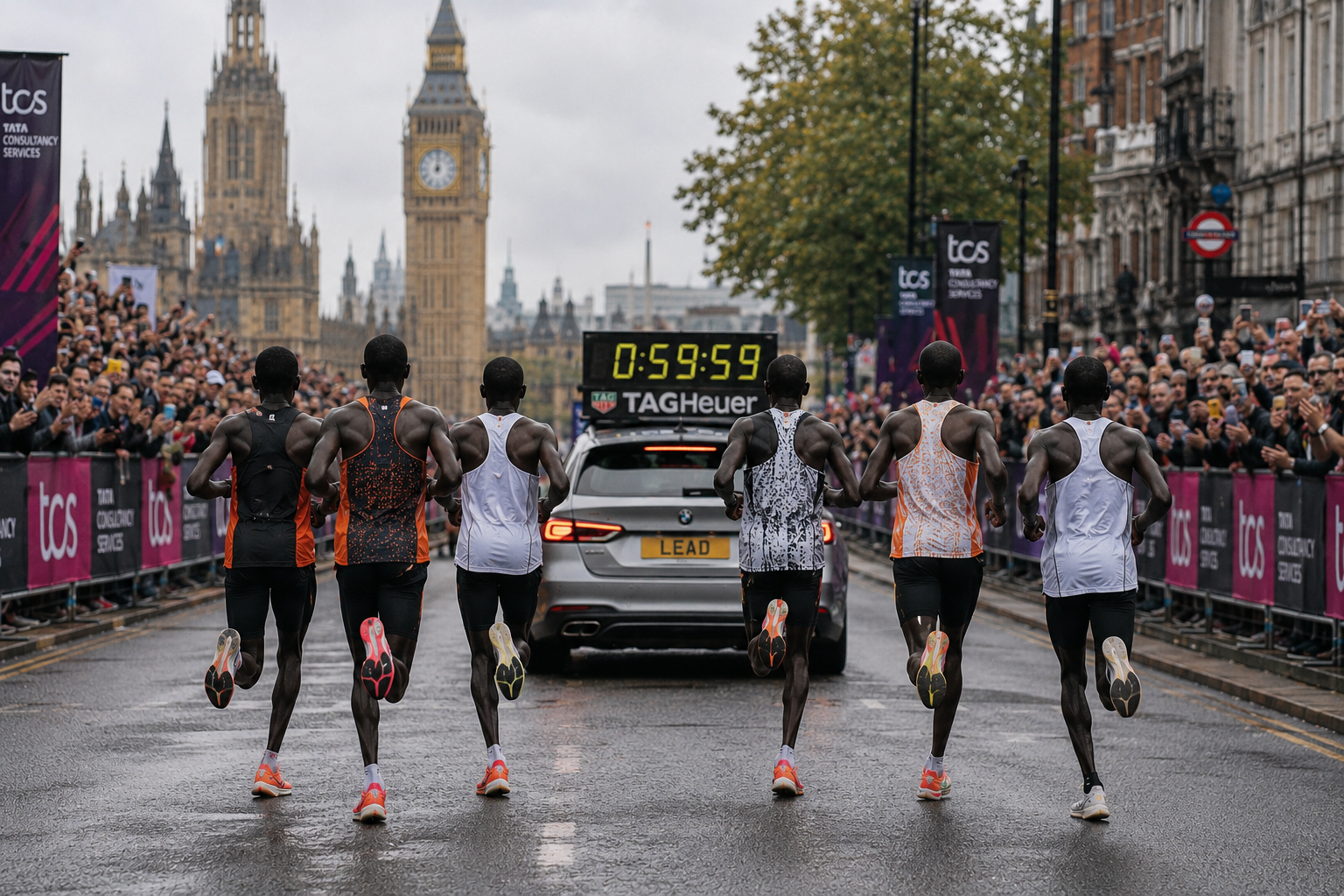
One of the strangest things about elite runners is how ordinary their watches often look.
You expect the best athletes in the world to wear huge flagship devices packed with every possible feature imaginable.
But then you watch a major marathon closely and realize something surprising.
Many of the fastest runners on the planet are wearing:
small plastic watches
older Forerunners
simple COROS models
lightweight Polar devices
watches that prioritize clarity over complexity
And honestly, the deeper you get into serious endurance training, the more that starts making sense. Because elite runners usually are not trying to impress anyone with their watch.
They are trying to remove friction from training. That is a completely different mindset.
Most Elite Runners Care About Training — Not Technology
Modern running watches are incredible now.
They can measure and show you:
steps, sleep, stress, training readiness, recovery scores, maps, music, notifications, and enough metrics to make some runners feel like full-time data analysts.
But here is the uncomfortable truth:
Most elite runners do not actually need most of that.
What they need is much simpler.
They need reliable pace, accurate GPS, stable lap splits, good battery life, and a watch they can trust without thinking about it.
That is usually the entire relationship.
And this is where recreational runners sometimes get trapped by marketing.
They start believing: more features = more performance.
But serious endurance training rarely works that way.
In reality, better running usually comes from better consistency, better pacing, better recovery, and better effort control.
Not from constantly adding more information.
This is closely connected to What Actually Improves Your Running Over Time, because the biggest endurance gains usually happen through stable repeatable training — not technological complexity.
The best runners in the world are often surprisingly minimalist about the tools they trust.
Simplicity Quietly Becomes A Competitive Advantage
One thing you start noticing after years of running is how valuable mental quietness becomes.
During a hard session, nobody wants to navigate menus. Nobody wants constant notifications. Nobody wants unnecessary friction between effort and feedback.
You want clarity. Can I trust the pace? Can I see the lap instantly? Can I control effort without distraction? That is why lightweight running watches become so attractive to serious runners.
They disappear.
And that matters more than people realize. Because good endurance running depends heavily on rhythm.
Breathing rhythm. Pacing rhythm. Training rhythm.
The less interruption between the body and the effort itself, the easier it becomes to stay connected to what the run is actually doing.
This is also why many experienced runners eventually stop obsessing over numbers every few seconds. What “Good Effort” Feels Like at Different Fitness Levels explains why stronger runners often become more internally calibrated over time instead of more dependent on constant feedback.
A good running watch supports focus. It should not compete with it.
The Funny Thing Is:
Recreational Runners Often Buy Far More Watch Than They Need
This is probably the most honest part of the conversation.
A lot of runners buy watches designed for lifestyles they do not actually live.
Ultra-expedition mapping. Multi-day mountain navigation. Outdoor survival battery. Advanced adventure ecosystems. Meanwhile most training really happens on familiar roads, local loops, track sessions, easy aerobic runs, and marathon workouts. And ironically, all the extra complexity sometimes creates more noise than value.
Especially for runners still learning how to interpret effort correctly.
Because if every run already feels confusing, adding twenty extra metrics often does not create clarity. It creates more second-guessing.
This is one reason How to Know If a Run Was Actually Easy matters so much. Many runners are already struggling to interpret sustainable aerobic effort before technology overload gets added on top.
More information is not automatically better training. Sometimes simpler tools create calmer decisions.
Elite Runners Optimize For Focus
Not maximum watch complexity
That is usually the real conversation. Because when training becomes serious, the watch stops being entertainment. It becomes infrastructure. Quite reliable infrastructure. And honestly, that philosophy probably makes recreational runners better too.
The less energy spent managing the device itself, the more energy stays available for: training quality, recovery awareness, and pacing control.
What matters
Lightweight Comfort that disappears during long training weeks.
Reliable GPS Accurate pacing you can trust immediately.
Clear pacing Instant readability during workouts and races.
Physical buttons Reliable control under fatigue, rain, and sweat.
Long battery life Stable performance during heavy training blocks.
What doesn’t matter
Smartwatch ecosystems Most elite runners simply do not care.
Voice assistants Training focus matters more than interaction.
Lifestyle features Performance usually comes before entertainment.
Constant notifications Less distraction often creates better rhythm.
Watches That Reflect This “Elite Simplicity” Philosophy
LIGHTWEIGHT PERFORMANCE WATCH
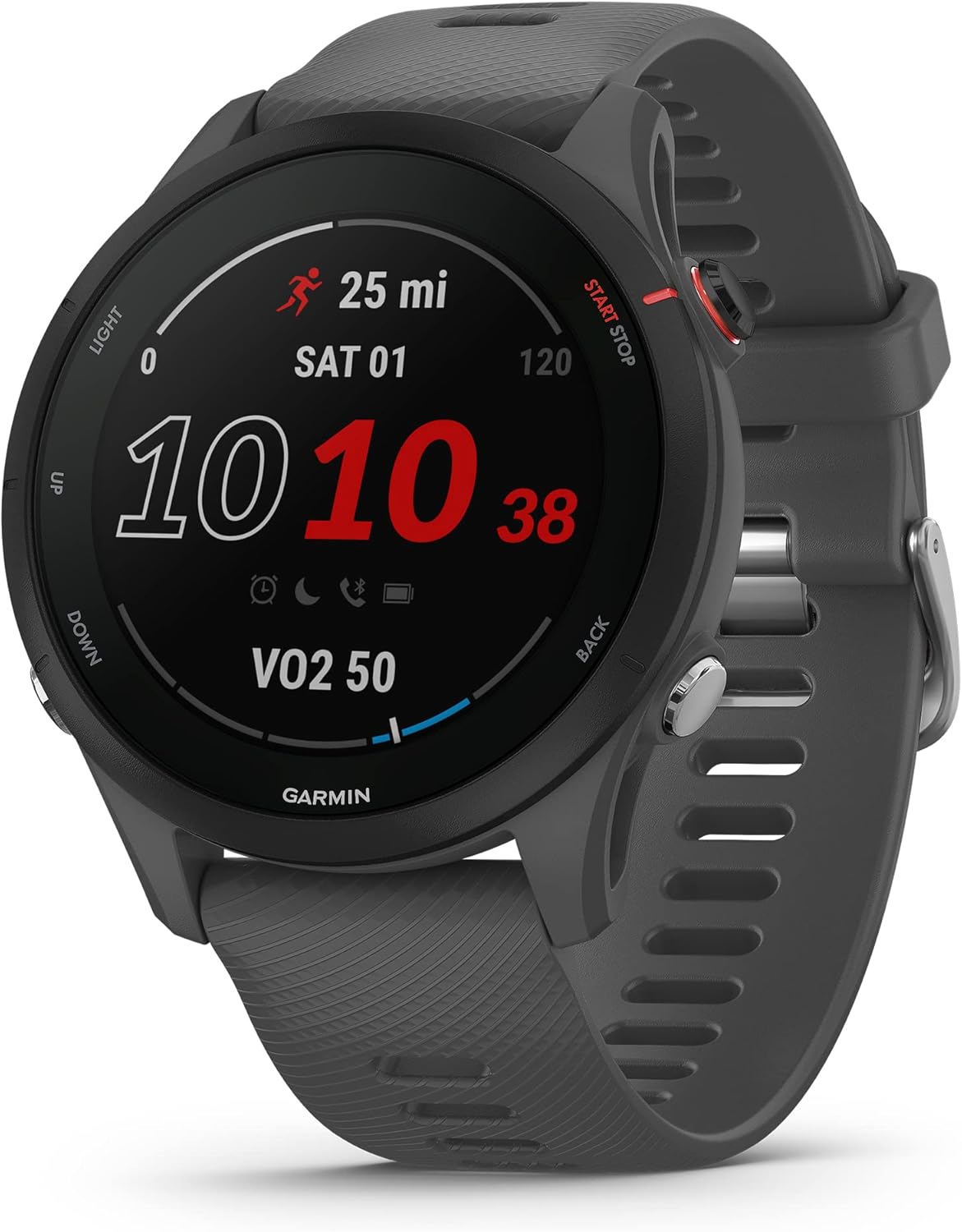
Garmin Forerunner 255
The Forerunner 255 is probably one of the clearest examples of this entire philosophy.
It is lightweight, reliable, fast, and extremely focused on actual running.
No unnecessary bulk. No excessive complexity.
Just very strong GPS, stable pacing, physical buttons, long battery life, and excellent workout functionality.
There is a reason so many serious runners quietly trust watches like this.
They simply work.
If you want a running-first watch without turning training into a full-time technology hobby, the 255 is still one of the best balanced options available.
MINIMALIST ENDURANCE WATCH
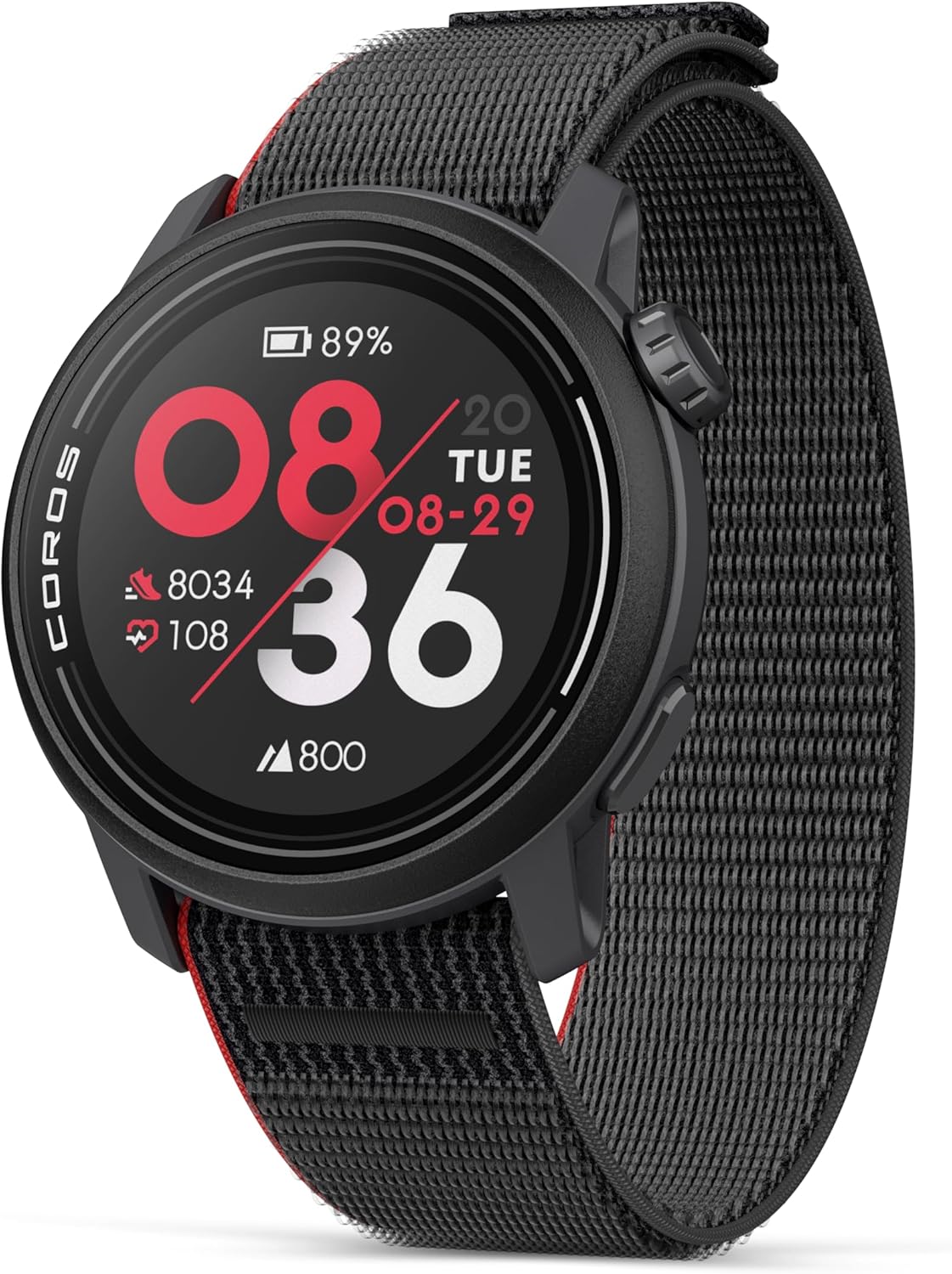
COROS Pace 3
The COROS Pace 3 feels almost intentionally anti-hype.
Very light. Very simple. Excellent battery life. Fast operation. And that simplicity is exactly why many strong runners love it.
It feels designed around training consistency instead of lifestyle marketing.
Especially for marathon training, aerobic development, and structured weekly running, it quietly does almost everything most runners actually need.
Without noise.
TRAINING-FOCUSED RUNNING WATCH
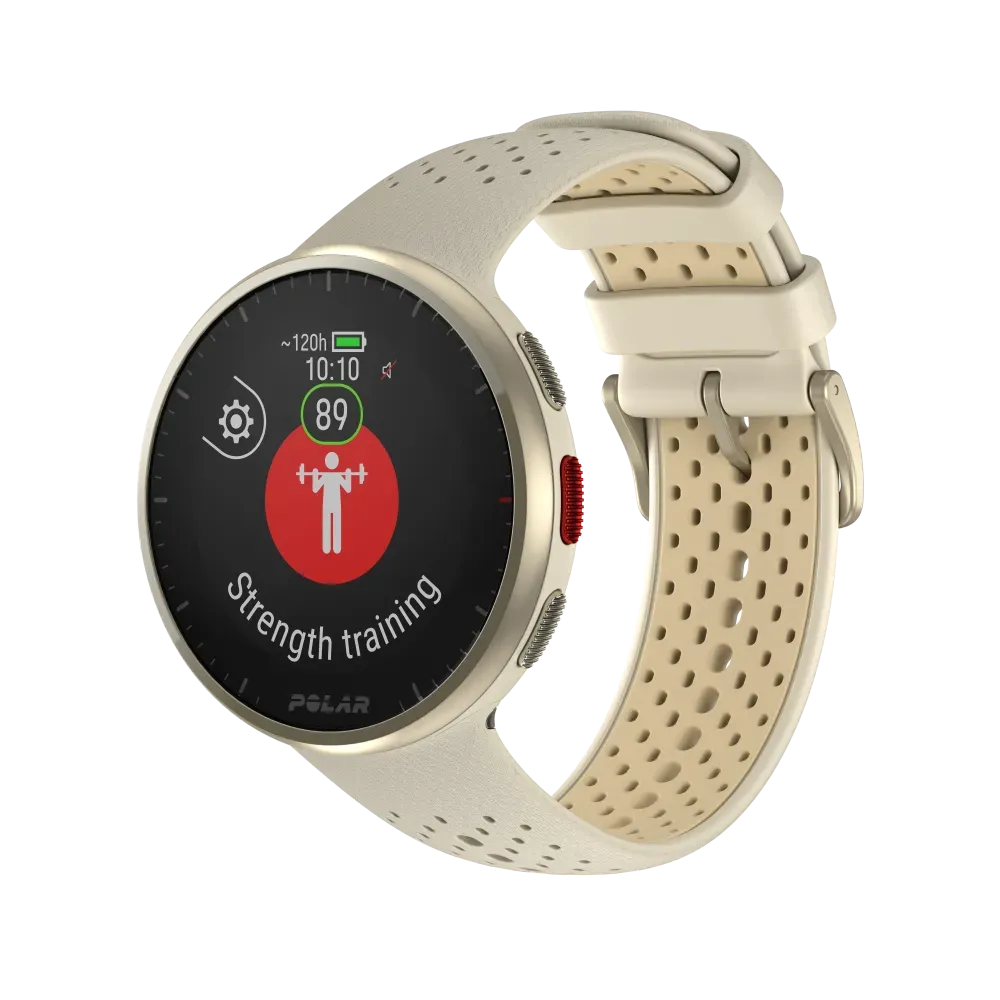
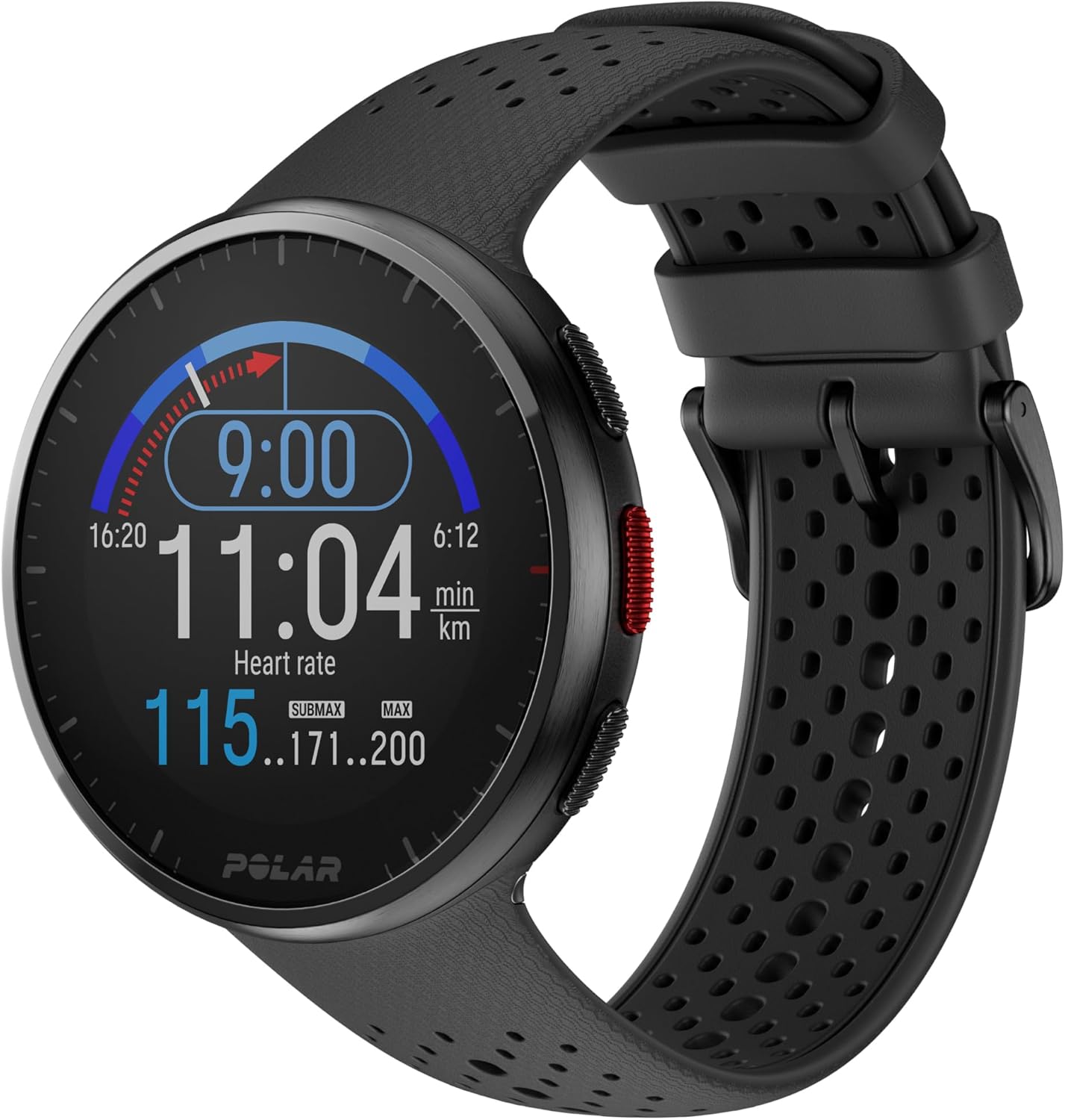
Polar Pacer Pro
Polar still approaches running watches differently than most brands.
The ecosystem feels calmer. More training-focused. Less entertainment-driven. And the Pacer Pro reflects that perfectly.
The watch feels built around: heart rate, effort, recovery,and sustainable endurance structure. Not smartwatch distraction.
For runners who value clarity over stimulation, it remains one of the most underrated running watches available.
MODERN PERFORMANCE WATCH
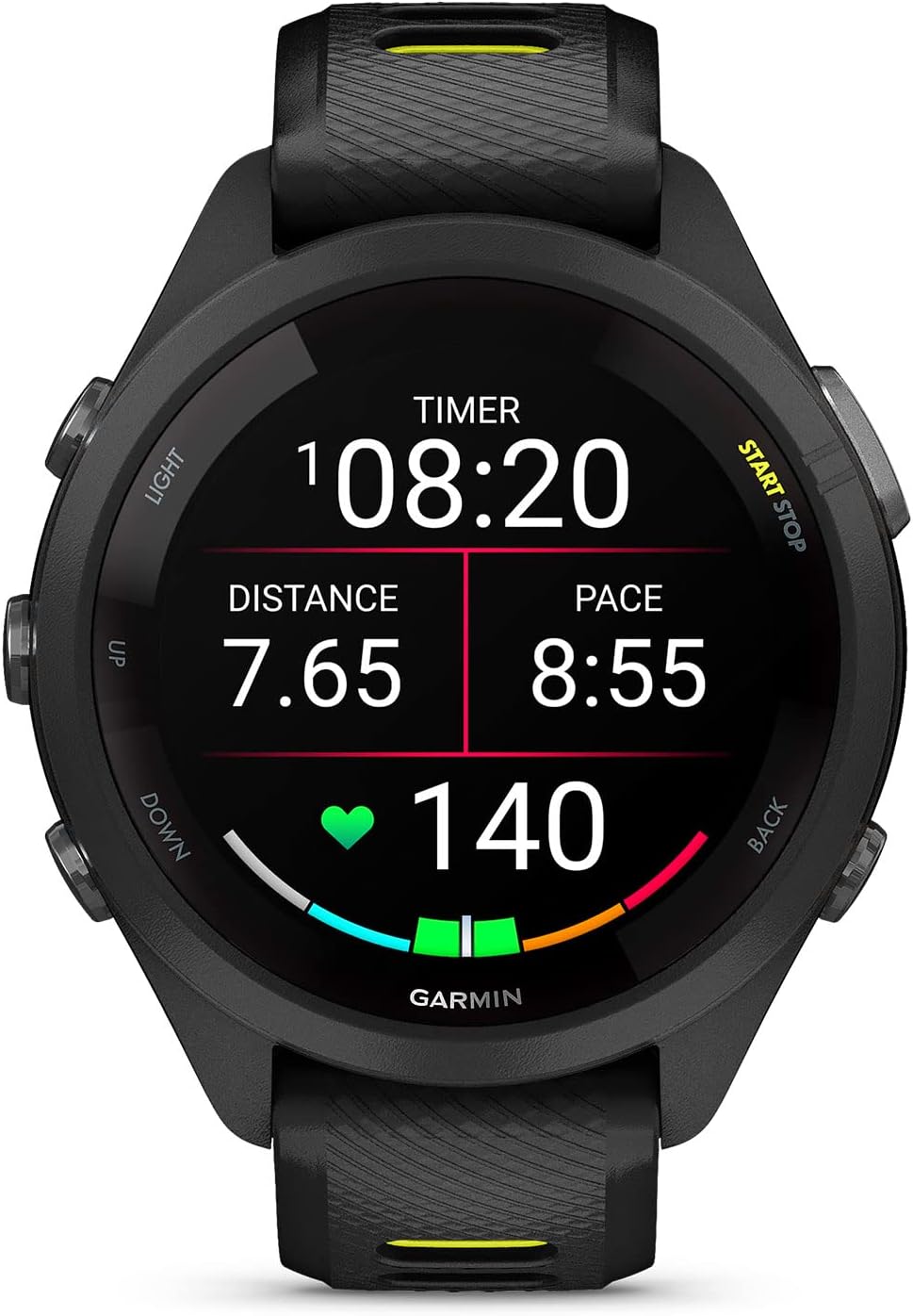
Garmin Forerunner 265
The Forerunner 265 sits slightly closer to the modern smartwatch world, but still keeps a very strong running-first identity underneath.
It gives you: excellent pacing tools, great workout structure, very reliable GPS, and lightweight comfort while adding a more modern screen experience.
For many runners, this becomes the sweet spot between: serious training functionality and modern usability. Without becoming overly complicated.
What Recreational Runners Can Learn From Elite Runners
The real lesson here is not: buy the cheapest watch possible. It is something much more useful.
Elite runners usually optimize for clarity, consistency, reliability, and reduced friction. Not maximum stimulation. And honestly, that philosophy applies to training itself too.
Most endurance progress comes from showing up repeatedly, controlling effort, recovering properly, and keeping the system stable long enough for adaptation to happen. Not from endlessly optimizing tiny variables every day.
This is also why What Consistency Actually Looks Like Over Months of Training matters so much. Sustainable running improvement is usually built through repeatable calm structure — not constant complexity.
A good watch should support the process quietly. Not become the center of it.
Frequently Asked Questions
Do elite runners really use simple running watches?
Yes. Many elite runners prefer lightweight, reliable watches focused on pacing, GPS, and training functionality rather than large feature-heavy smartwatch systems.
Why do many serious runners prefer smaller watches?
Because lightweight watches feel less distracting during high-volume training and racing. Simplicity often improves focus and comfort.
Are expensive flagship watches unnecessary for most runners?
For many runners, yes. Most training only requires reliable pacing, heart rate tracking, GPS accuracy, and good battery life.
What matters most in a serious running watch?
Usually accurate GPS, clear pace visibility, physical buttons, battery life, comfort, and reliable workout functionality.
Is a simpler running watch better for marathon training?
Often yes. Simpler watches reduce distraction and allow runners to focus more on pacing, rhythm, and effort management during training.
If You Want A Watch That Supports Training Instead Of Distracting From It
The best running watch is usually not the one with the longest feature list.
It is the one that quietly helps you train consistently, understand effort, manage pacing, and stay connected to the actual running itself.
If you want a broader comparison of the most practical running watches available right now, Best Running Watches for Running (2026) breaks down the strongest options for different types of runners and training styles.
Conclusion
One of the most interesting things about elite runners is how often they move toward simplicity instead of complexity.
Not because they care less about performance. But because they care more about focus.
And after enough years in endurance training, many runners slowly realize the same thing:
The best watch is usually not the one that does the most. It is the one that quietly lets you think about the running itself the least.