

Understand Your Running Metrics
Learn how to interpret the data behind your training — heart rate, pace, effort, and performance trends.
Latest Running Metrics Insights
Recent Insights on Running Metrics



What You’ll Learn

Heart Rate
Understand heart rate zones, aerobic training, and why your heart rate sometimes behaves unexpectedly
Pace & Effort
Learn how pace relates to effort, fatigue, terrain, and environmental conditions.

Running Metrics
Interpret data like VO₂max, training load, and performance trends from modern running watches.
Key Metrics Every Runner Should Understand
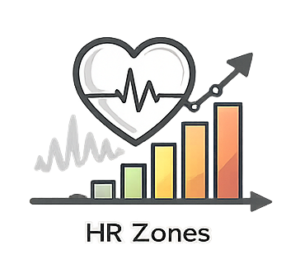
Heart Rate Metrics
Understanding heart rate is the foundation of structured training.
Learn how heart rate zones work, why heart rate sometimes rises during easy runs, and how to interpret changes over time.
Articles
- Why Your Heart Rate Is Too High on Easy Runs
- Understanding Heart Rate Zones
- Cardiac Drift Explained
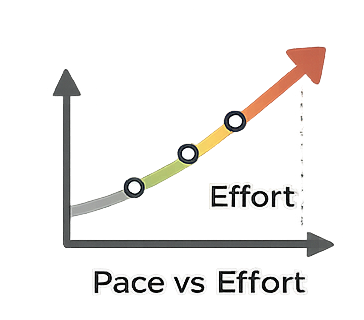
Pace and Effort
Pace alone does not define training intensity. Terrain, fatigue, and weather all influence how fast you can run.
Understanding effort alongside pace helps you train more consistently.
Articles
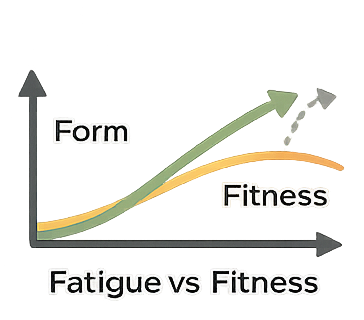
Performance Metrics
Modern running watches generate many metrics, but only a few are truly useful.
Learn how to interpret VO₂max, training load, and other performance indicators.
Articles
- What VO₂max Actually Means
- Training Load Explained
- Are Watch Metrics Reliable?
Why Metrics Matter
Metrics are useful only when they help guide better training decisions.
Heart rate, pace, and performance metrics provide feedback about your training — but they only become powerful when interpreted correctly.
Understanding your data allows you to:
- train at the right intensity
- track long-term progress
- avoid overtraining
- make smarter adjustments to your training plan
Metrics Only Matter If They Improve Training
Data alone does not make you faster.
Training structure turns data into progress.
When you combine metrics with a structured training week, improvement becomes predictable.
Learn How to Structure Your Training Week
Build a Weekly Running Structure