The goal of good running gear is not to impress — it’s to quietly support thousands of kilometers of consistent training.
PaceFoundry focuses on running tools that help everyday runners train smarter — not just gadgets with marketing hype.
If you want the short version, start here. These are the clearest picks for different types of runners.
Quick comparison table
| Shoe | Best for | Weight | Drop | Ride feel | Price |
|---|---|---|---|---|---|
| ★ ASICS Novablast 5 | Best overall | ~255 g | 8 mm | Soft and energetic | Check price on Amazon |
| Nike Vomero Plus | Maximum cushioning | ~290 g | 10 mm | Plush and bouncy | Check price on Amazon |
| Brooks Ghost Max 3 | Balanced comfort | ~280 g | 6 mm | Stable and smooth | Check price on Amazon |
| ASICS Gel-Kayano 31 | Stability and support | ~305 g | 10 mm | Structured and protective | Check price on Amazon |
| Adidas Adizero EVO SL | Lightweight long runs | ~225 g | 6 mm | Light and efficient | Check price on Amazon |
* Weights are approximate for men’s standard sizes and may vary by size.
#1 Best Overall
ASICS Novablast 5
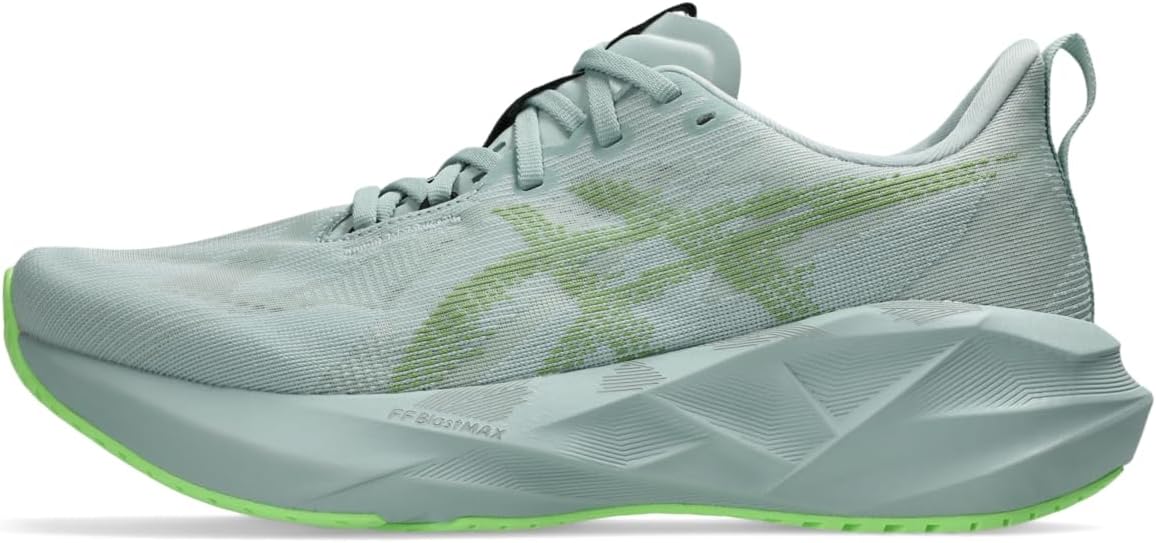
The ASICS Novablast 5 is one of the easiest long run shoes to recommend because it combines comfort, protection, and energy return in a way that works for almost any type of runner. It feels soft underfoot, but unlike many highly cushioned shoes, it does not become unstable or overly heavy as the run progresses.
That balance is what makes it such a strong long run option.
During longer efforts, many runners do not struggle because the pace is too high. They struggle because their stride gradually becomes less controlled as fatigue builds. The Novablast 5 helps reduce that feeling by keeping the ride smooth and energetic without becoming aggressive.
One of the biggest strengths of the shoe is how natural it feels at relaxed endurance paces. It does not push you forward like a plated shoe, but it still gives enough rebound to keep your stride from feeling flat late in the run. That creates a type of efficiency that becomes more noticeable after 60–90 minutes, when softer shoes sometimes begin to feel sluggish.
Compared to the Vomero Plus, the Novablast feels lighter and slightly more responsive. Compared to the EVO SL, it feels more forgiving and easier to settle into for longer durations. It sits directly in the middle: protective enough for easier long runs, but lively enough to avoid feeling dull.
That versatility is what makes it the safest overall pick on this list. Whether your long runs are slow and relaxed or include slightly faster segments, the Novablast adapts well without making the effort feel forced.
KEY SPECS
Weight: ~255 g
Drop: 8 mm
Midsole: FF Blast Max
Plate: None
Best use:
Long runs, easy mileage, steady endurance running
If this is what you’re looking for, you can check the current price: – Check price on Amazon
Why We Like It
It combines softness and responsiveness better than almost any other long run shoe right now. The cushioning protects your legs over longer distances, but the ride still feels energetic enough to keep your stride smooth when fatigue starts to build. That balance makes it easy to use across different types of long runs without the shoe ever feeling too soft, too firm, or overly specialized.
Keep in Mind
If you prefer a very stable or highly structured ride, the Novablast may feel slightly too lively. Runners who want maximum guidance under fatigue may feel more comfortable in something like the Kayano 31.
Price checked on Amazon • Updated regularly
#2 Best Cushioned Option
Nike Vomero Plus
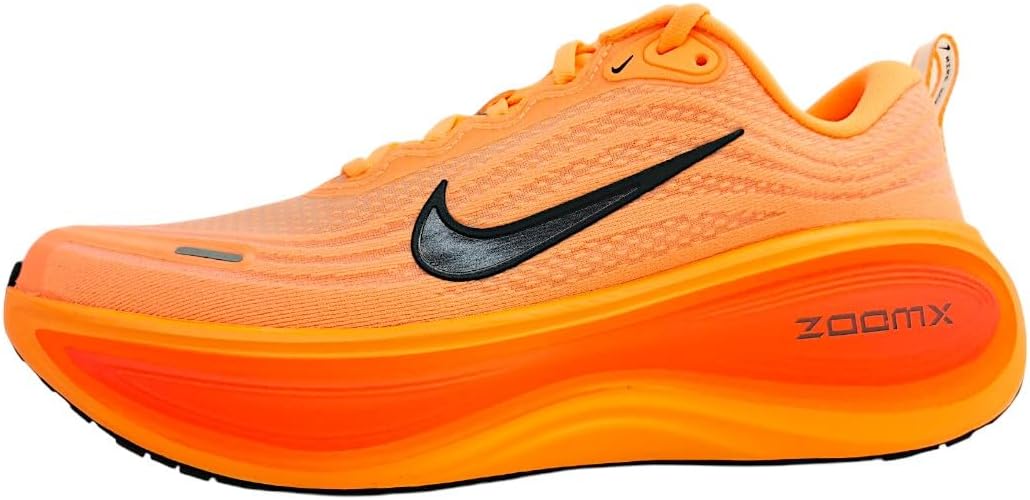
The Nike Vomero Plus is built around one clear idea: making long runs feel less demanding on your legs. Everything about the shoe leans toward comfort, from the deep cushioning to the softer ride under fatigue.
But what makes it stand out is that the cushioning does not feel dead or overly heavy.
Many highly cushioned shoes feel comfortable at the beginning of a run, then gradually start to feel flat as the distance increases. The Vomero Plus avoids that problem by keeping a noticeable amount of rebound in the midsole, which helps the shoe stay lively even when your stride begins to slow down.
That becomes especially important late in longer runs. When fatigue builds, the shoe still feels smooth and forgiving rather than unstable or mushy. Instead of forcing pace, it helps reduce the overall stress of the effort.
Compared to the Novablast 5, the Vomero Plus feels softer and more relaxed. Compared to the Ghost Max 3, it feels more energetic and less structured. It sits firmly in the “comfort first” category, but with enough bounce to prevent the ride from feeling dull.
This makes it a strong option for runners who prioritize comfort over pace, especially during easier long runs or higher-volume training weeks where reducing impact matters more than responsiveness.
KEY SPECS
Weight: ~290 g
Drop: 10 mm
Midsole: ZoomX + Cushlon
Plate: None
Best use:
Easy long runs, recovery-focused endurance training, high-mileage comfort
If this is what you’re looking for, you can check the current price: – Check price on Amazon
Why We Like It
It delivers deep cushioning without losing all sense of energy return. The shoe absorbs impact extremely well, but still keeps enough bounce underfoot to make longer runs feel smoother and less draining over time. That combination makes it especially effective on days when your goal is simply to stay comfortable and controlled for a long duration.
Keep in Mind
It is not the lightest or most responsive shoe on this list. If you prefer a firmer or more performance-oriented long run feel, something like the EVO SL or Novablast 5 will feel quicker and more agile.
Price checked on Amazon • Updated regularly
#3 Best Balanced Comfort
Brooks Ghost Max 3
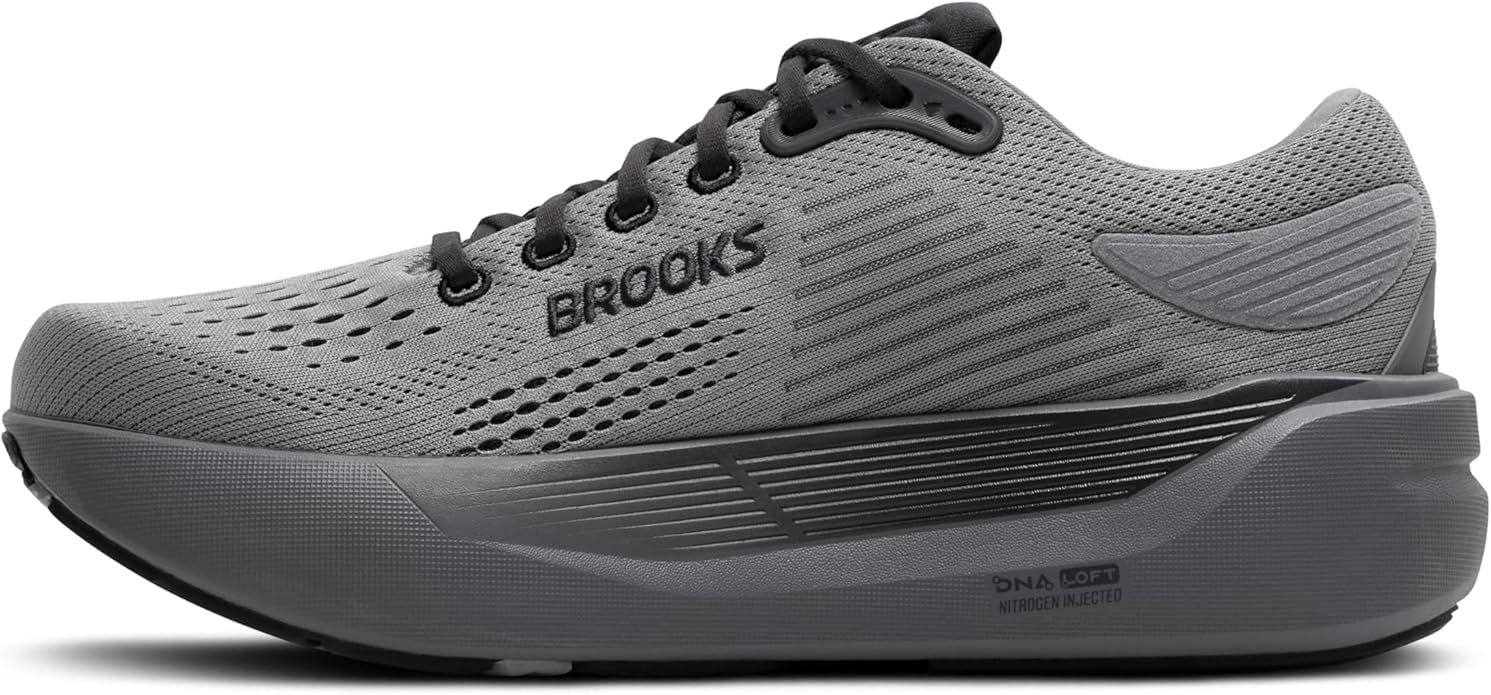
The Brooks Ghost Max 3 is the kind of shoe that quietly does everything well. It is not the softest, the fastest, or the most aggressive option on this list, but that is exactly what makes it such a reliable long run shoe.
Its biggest strength is stability through fatigue.
As long runs progress and your stride becomes less precise, many shoes start to feel less controlled. The Ghost Max 3 moves in the opposite direction. The ride stays smooth, centered, and predictable even when your legs are no longer fresh.
That consistency becomes more valuable the longer the run lasts.
The cushioning feels protective without becoming overly soft, which helps the shoe avoid the unstable feeling that some max-cushioned models develop later in a run. At the same time, it does not feel heavy or sluggish. The transition remains smooth and easy to settle into, especially at relaxed endurance paces.
Compared to the Vomero Plus, the Ghost Max 3 feels more structured and less bouncy. Compared to the Kayano 31, it feels more neutral and less corrective. It sits in a very balanced middle ground, which is why it works so well for runners who simply want a dependable long run shoe without overthinking categories or technologies.
This is also one of the easiest shoes on the list to adapt to. There is no learning curve, no aggressive geometry, and no specific pace requirement. You put it on, start running, and it immediately feels familiar.
KEY SPECS
Weight: ~280 g
Drop: 6 mm
Midsole: DNA Loft v3
Plate: None
Best use:
Long runs, daily mileage, stable endurance running
If this is what you’re looking for, you can check the current price: – Check price on Amazon
Why We Like It
It delivers a very balanced type of comfort that stays consistent over time. The cushioning protects your legs well, but the ride remains stable and predictable instead of overly soft or unstable. That makes it especially effective for runners who want long runs to feel smooth and controlled rather than energetic or aggressive.
Keep in Mind
If you prefer a more responsive or lively ride, the Ghost Max 3 may feel slightly too calm. Shoes like the Novablast 5 or EVO SL provide more rebound and forward momentum at faster paces.
Price checked on Amazon • Updated regularly
#4 Best Stability Option
ASICS Gel-Kayano 31
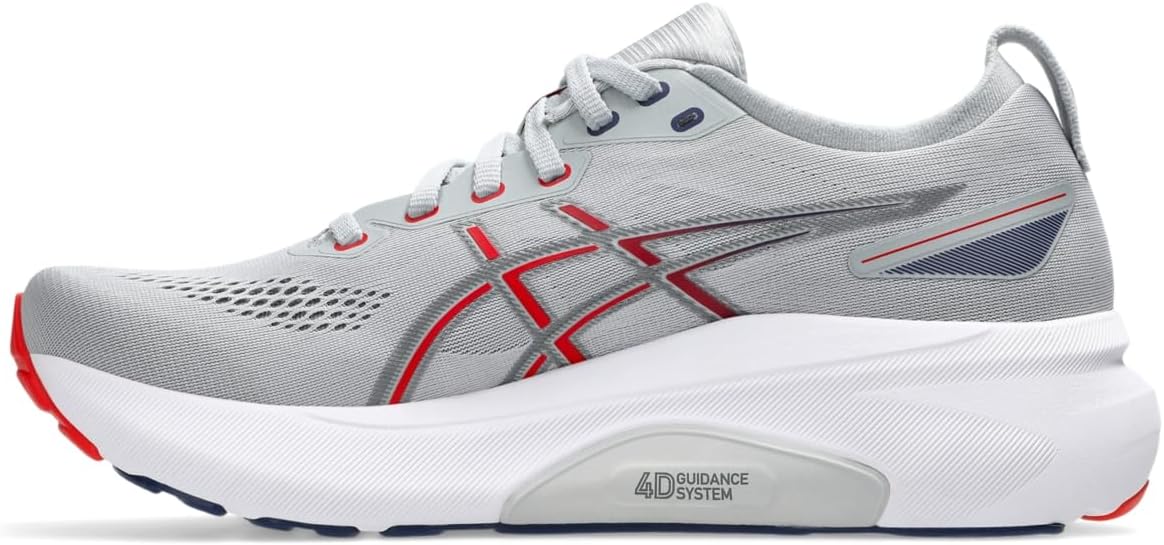
The ASICS Gel-Kayano 31 is one of the safest long run choices for runners who need extra stability, especially during longer efforts where fatigue begins to affect form and control.
What makes the Kayano different is that the support does not feel intrusive. Instead of aggressively correcting your stride, the shoe guides it gently and consistently. That creates a more stable feeling without making the run feel stiff or unnatural.
This becomes much more noticeable late in long runs.
As fatigue builds, small changes in mechanics start to appear. Your stride may become less controlled, your ankles less stable, and your overall movement less efficient. The Kayano 31 is designed specifically for that stage of the run. It helps keep the ride centered and predictable when your body starts to lose precision.
At the same time, the cushioning remains soft enough to feel comfortable over longer distances. Earlier versions of the Kayano sometimes felt firm or overly corrective, but the 31 has a smoother and more relaxed ride that feels much easier to settle into for steady endurance efforts.
Compared to the Ghost Max 3, the Kayano feels more structured and supportive. Compared to the Novablast 5, it feels calmer and more controlled rather than energetic. It is not trying to feel fast. It is trying to help you stay stable and comfortable for a long time.
That makes it especially useful for runners who notice that their form breaks down late in longer runs or who simply prefer a more guided feeling underfoot.
KEY SPECS
Weight: ~305 g
Drop: 10 mm
Midsole: FF Blast+ Eco
Plate: None
Support: Stability
Best use:
Long runs, easy mileage, stability-focused endurance running
If this is what you’re looking for, you can check the current price: – Check price on Amazon
Why We Like It
It provides support in a way that feels smooth rather than restrictive. The shoe keeps your stride stable as fatigue builds, but still maintains enough cushioning and flow to feel comfortable during longer efforts. That combination makes it one of the most reliable options for runners who value consistency and protection over pure responsiveness.
Keep in Mind
If you prefer a lighter or more energetic ride, the Kayano 31 may feel slightly too controlled. Neutral runners who do not need extra support may enjoy the freer feel of shoes like the Novablast 5 or EVO SL more.
Price checked on Amazon • Updated regularly
#4 Best Lightweight Option
Adidas Adizero EVO SL
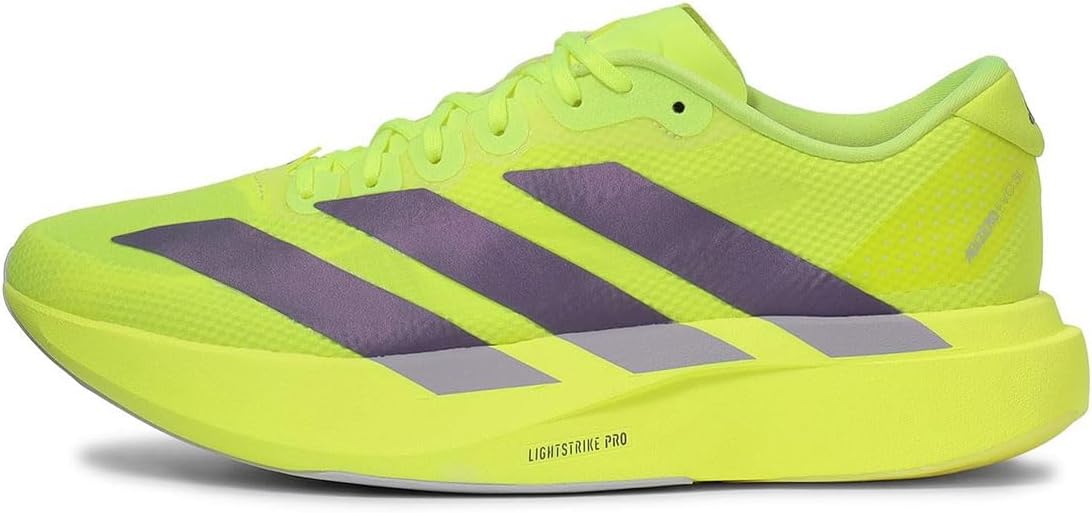
The Adidas Adizero EVO SL takes a very different approach from most long run shoes. Instead of focusing on maximum cushioning or heavy protection, it focuses on reducing effort through lightness and smooth movement.
That changes the feeling of long runs more than many runners expect.
The shoe feels noticeably lighter on foot than most models in this category, which helps your stride stay more fluid as the run progresses. Rather than absorbing every impact with soft cushioning, the EVO SL encourages a smoother and more natural rhythm.
This creates a long run experience that feels less bulky and less tiring mechanically, especially for runners who dislike oversized or overly soft shoes.
At the same time, the ride still feels protective enough for longer efforts. The cushioning is softer than traditional lightweight trainers, but the shoe never feels unstable or overly squishy. It stays efficient and controlled, even when fatigue begins to build.
Compared to the Novablast 5, the EVO SL feels firmer and quicker. Compared to the Vomero Plus, it feels dramatically lighter and less cushioned. It sits closer to the “efficient endurance” side of long run running rather than the “maximum comfort” side.
That makes it a particularly strong option for runners who prefer smoother mechanics and a lighter sensation underfoot during longer efforts.
KEY SPECS
Weight: ~225 g
Drop: 6 mm
Midsole: Lightstrike Pro
Plate: None
Best use:
Long runs, progression runs, lightweight endurance training
If this is what you’re looking for, you can check the current price: – Check price on Amazon
Why We Like It
It keeps long runs feeling smooth and efficient without relying on excessive cushioning. The lightweight ride reduces the feeling of drag over longer distances, while still providing enough protection to stay comfortable as fatigue builds. That balance makes it especially appealing for runners who want long runs to feel fluid rather than overly soft or heavy.
Keep in Mind
It is not as plush or protective as the more cushioned options on this list. If your priority is maximum softness and impact reduction, shoes like the Vomero Plus or Kayano 31 will feel more forgiving over very long durations.
Price checked on Amazon • Updated regularly
How to Choose the Right Long Run Shoe
Long run shoes are not just about comfort.
They are about how the shoe feels once comfort alone is no longer enough.
At the beginning of a run, almost any modern running shoe can feel good. Your legs are fresh, your stride is controlled, and the effort is still low. The difference appears later, when fatigue starts to change how you move.
That is when the role of the shoe becomes much more noticeable.
A good long run shoe should help your stride stay stable, smooth, and predictable even when your legs are no longer fresh. The goal is not simply softness. The goal is reducing the overall cost of the run.
What Actually Matters During Long Runs
The longer the run becomes, the more important consistency becomes.
Some shoes feel exciting for the first few kilometers, then gradually become unstable or tiring as the run continues. Others may feel less dramatic at first, but remain smooth and reliable for the full duration.
That long-term consistency matters much more than first impression comfort.
This is closely connected to how long long runs should be, because the longer you stay on your feet, the more noticeable small differences in stability, cushioning, and efficiency become.
A good long run shoe should make the effort feel manageable from beginning to end, not just comfortable at the start.
Cushioning vs Stability (Why Both Matter)
Many runners assume that more cushioning automatically means a better long run shoe.
That is only partly true.
Cushioning helps reduce impact and overall stress on the legs, especially during higher mileage weeks. But if the shoe becomes too soft or unstable under fatigue, your stride can start to feel inefficient later in the run.
That is why stability matters too.
Not necessarily “stability shoe” support, but overall platform stability. The shoe should remain predictable when your form starts to fade slightly. That balance is what separates shoes that feel impressive in the store from shoes that actually work well after 90 minutes of running.
This is also why some runners eventually move toward more structured options like the Kayano, even if they normally prefer neutral shoes.
Why the Right Shoe Depends on Your Long Runs
Not all long runs have the same purpose.
Some are slow and relaxed. Others include progression, marathon pace segments, or steady endurance blocks. The type of long run you do should influence the type of shoe you choose.
If your goal is maximum comfort and reduced fatigue, softer and more protective options like the Vomero Plus or Ghost Max 3 usually make more sense.
If your long runs include faster sections or more rhythm-focused pacing, lighter and more responsive shoes like the Novablast 5 or EVO SL may feel better.
This is closely related to how slow long runs should be, because pace changes what you need from the shoe. The faster the effort, the more important responsiveness and efficiency become.
The best long run shoe is not the softest one.
It is the one that still feels stable when you are tired.
Conclusion
Choosing a long run shoe is not about finding the most exciting model.
It is about finding the shoe that keeps your running feeling controlled as fatigue builds.
Some runners prefer maximum cushioning and protection. Others prefer a lighter and more responsive ride that helps maintain rhythm over distance. Both approaches can work, as long as the shoe supports the type of long runs you actually do.
When the match is right, long runs stop feeling like something you simply survive.
They start to feel sustainable from start to finish.
Frequently Asked Questions
Do I need a separate shoe for long runs?
Not always, but dedicated long run shoes usually provide more cushioning, stability, and comfort over extended distances than lighter daily trainers.
Is maximum cushioning always better for long runs?
No. Cushioning helps reduce impact, but too much softness can sometimes feel unstable or inefficient later in a run.
Can I use lightweight shoes for long runs?
Yes, especially if your long runs include faster segments or progression pacing. The key is making sure the shoe still feels stable under fatigue.
What matters most in a long run shoe?
Consistency. A good long run shoe should still feel smooth, predictable, and comfortable after 60–90 minutes of running.
If you also want a shoe specifically for faster workouts and tempo sessions, Best Running Shoes for Tempo Runs and Speed Work explains which models work best when the pace starts to rise.