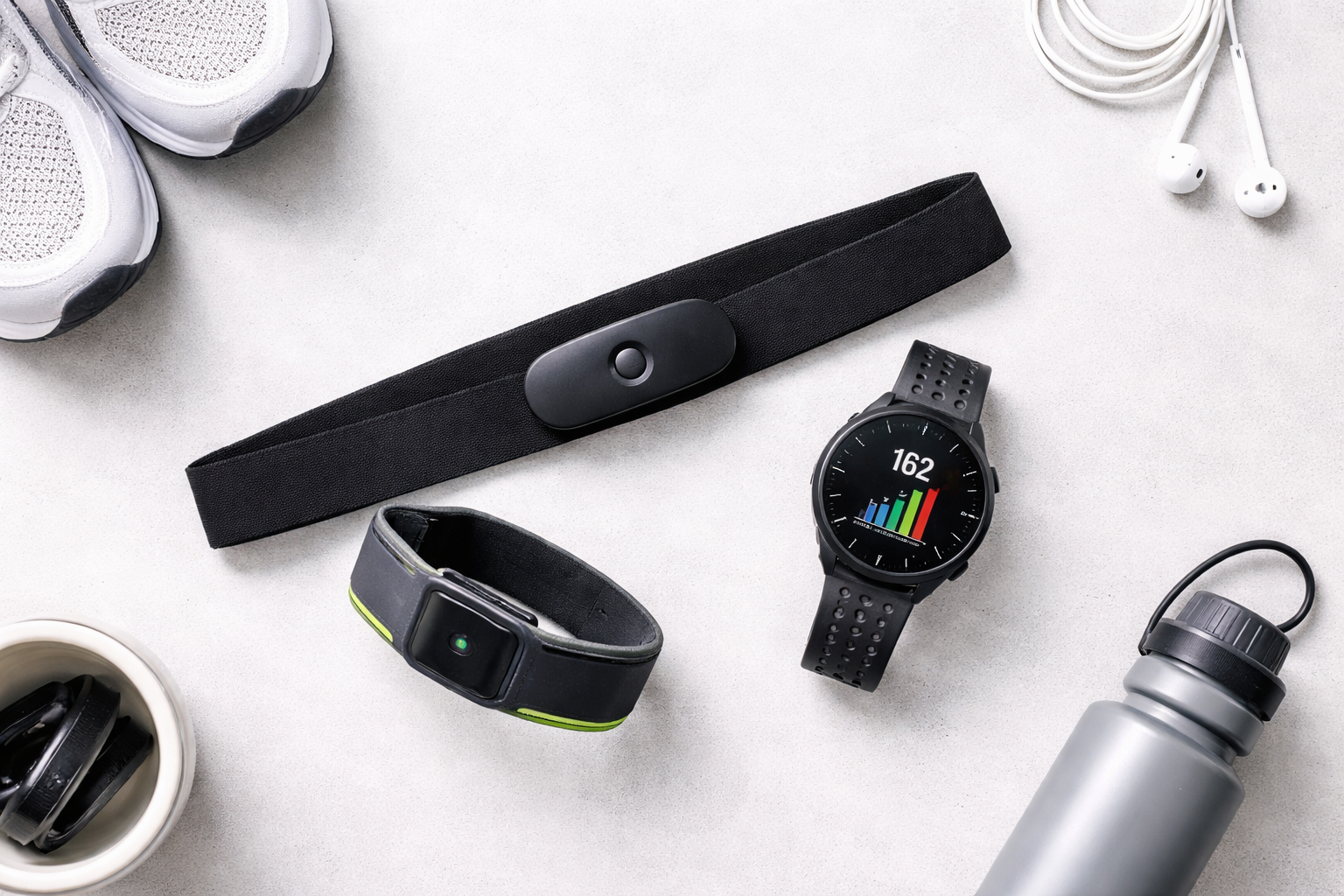
The goal of good running gear is not to impress — it’s to quietly support thousands of kilometers of consistent training.
PaceFoundry focuses on running tools that help everyday runners train smarter — not just gadgets with marketing hype.
Best overall | Garmin users | Best value | Comfort | Women | Mixed use | Battery life
Top picks
If you want the short version, start here. These are the clearest picks for different types of runners.
Quick comparison table
| Model | Best For | Type & Accuracy | Battery Life | Connectivity | Price |
|---|---|---|---|---|---|
| ★ Polar H10 | Maximum accuracy | Chest (very high accuracy) | ~400 hrs | ANT+ / Bluetooth | Check price on Amazon |
| Garmin HRM-Pro Plus | Garmin users | Chest (very high accuracy) | ~1 year | ANT+ / Bluetooth | Check price on Amazon |
| Wahoo TRACKR | Budget chest strap | Chest (very high accuracy) | ~500 hrs | ANT+ / Bluetooth | Check price on Amazon |
| Polar Verity Sense | Comfort & versatility | Arm (Optical) (good for most runs) | ~20 hrs | ANT+ / Bluetooth | Check price on Amazon |
| Garmin HRM-Fit | Women runners | Clip-on (Bra) (very high accuracy) | ~1 year | ANT+ / Bluetooth | Check price on Amazon |
| Wahoo TICKR Fit | Gym + running | Arm (Optical) (good for most runs) | ~30 hrs | ANT+ / Bluetooth | Check price on Amazon |
| COROS HR Monitor | Long battery life | Arm (Optical) (good for most runs) | ~38 hrs | Bluetooth | Check price on Amazon |
# 1 Best overall
Polar H10
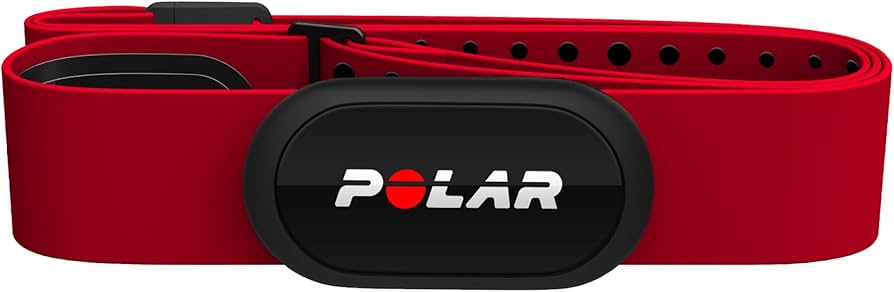
When it comes to reliable heart rate tracking, the Polar H10 is still considered the reference standard.
It uses ECG-based measurement, which delivers very stable and precise data — especially during intervals, tempo runs, and high-intensity efforts.
The strap is soft and secure, and with ANT+ and Bluetooth support, it works with most watches and apps.
KEY SPECS
- Chest strap (ECG-based measurement)
- Very high heart rate accuracy
- Bluetooth + ANT+ connectivity
- Works with most watches and apps
- Up to ~400 hours battery life
- Replaceable CR2025 battery
- Water resistant (swimming compatible)
WHY WE LIKE IT
- Very consistent and reliable heart rate data
- Accurate even during intervals and fast pace changes
- Works with most watches and apps (not tied to one ecosystem)
- Long battery life with simple maintenance
- Trusted by serious runners worldwide
If this is what you’re looking for, you can check the current price: – Check price on Amazon
Keep in mind
A chest strap is not as comfortable as an optical sensor, especially on longer easy runs.
But if accuracy matters in your training, this is still the best option available.
Price checked on Amazon • Updated regularly
# 2 Best for Garmin users
Garmin HRM-Pro Plus
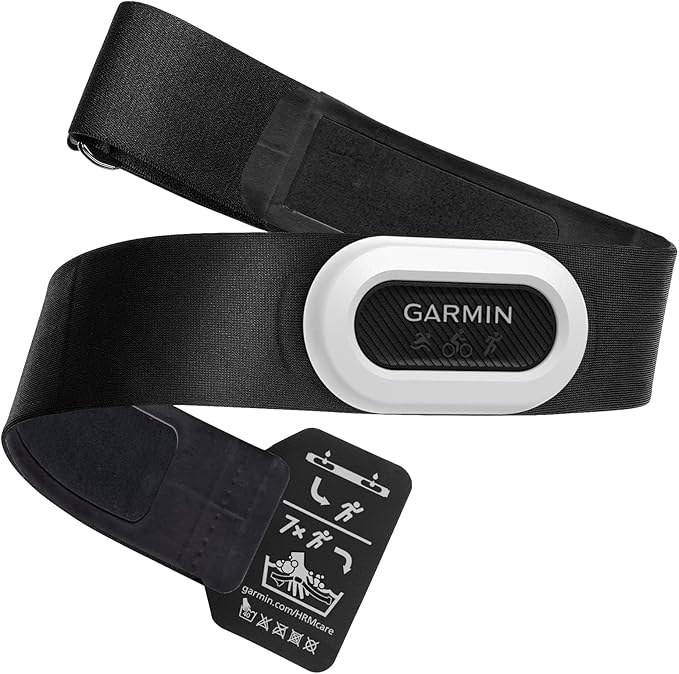
Best for: Runners who already use a Garmin watch and want seamless integration with their training data.
If you already use a Garmin watch, the HRM-Pro Plus is the most natural choice.
It offers very high heart rate accuracy using a chest strap, while also integrating directly with Garmin’s ecosystem for additional running dynamics and advanced training data.
KEY SPECS
- Chest strap (very high accuracy)
- Bluetooth + ANT+ connectivity
- Native Garmin integration
- Running dynamics support
- Up to ~1 year battery life
- Stores data during activities
- Water resistant (swimming compatible)
WHY WE LIKE IT
- Very accurate heart rate data across all training types
- Works seamlessly with Garmin watches
- Provides additional running metrics (cadence, ground contact, etc.)
- Long battery life with minimal maintenance
- Good choice if you want everything in one ecosystem
If this is what you’re looking for, you can check the current price: – Check price on Amazon
Keep in mind
If you don’t use a Garmin watch, many of its extra features won’t be fully available.
For pure heart rate accuracy alone, simpler options like the Polar H10 can be just as effective.
Price checked on Amazon • Updated regularly
# 3 Best value
Wahoo TRACKR
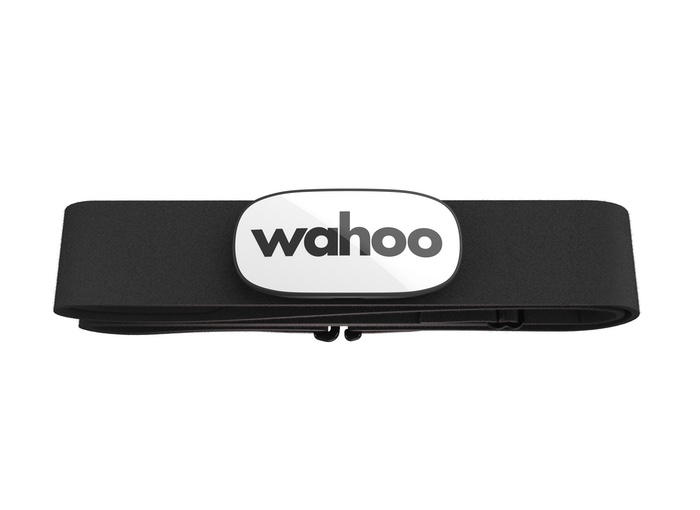
Best for: Runners who want reliable heart rate data without paying for premium extras.
If you want a simple and reliable chest strap without spending too much, the Wahoo TRACKR is a solid choice.
It delivers very good heart rate accuracy for most training situations, including easy runs, long runs, and steady efforts, without the extra features found in higher-end models.
KEY SPECS
- Chest strap (very good accuracy)
- Bluetooth + ANT+ connectivity
- Works with most watches and apps
- Up to ~500 hours battery life
- Replaceable battery
- Lightweight and minimal design
- Water resistant
WHY WE LIKE IT
- Reliable heart rate data for most training needs
- Simple and easy to use
- Lower price compared to premium options
- Works across different devices and apps
- Long battery life with minimal upkeep
If this is what you’re looking for, you can check the current price: – Check price on Amazon
Keep in mind
It doesn’t offer the same level of accuracy or build quality as premium options like the Polar H10.
If you train heavily by heart rate or rely on precise data for intervals, you may notice the difference.
Price checked on Amazon • Updated regularly
# 4 Best comfort alternative
Polar Verity Sense
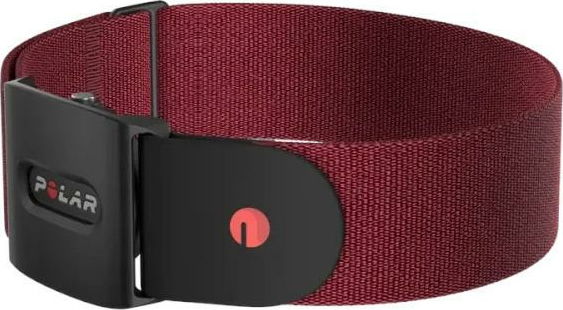
Best for: Runners who want a comfortable, strap-free option with good everyday accuracy.
If you don’t like wearing a chest strap, the Polar Verity Sense is one of the best alternatives.
It uses an optical sensor worn on the arm, which makes it more comfortable and easier to use for everyday training, especially on easy runs and longer sessions.
KEY SPECS
- Arm-based optical sensor
- Good accuracy for most runs
- Bluetooth + ANT+ connectivity
- Up to ~20 hours battery life
- Internal memory for workouts
- Comfortable and adjustable strap
- Water resistant (swimming compatible)
WHY WE LIKE IT
- Much more comfortable than chest straps
- Easy to wear and forget during runs
- Good enough accuracy for most training
- Works with many watches and apps
- Great option for longer and easier sessions
If this is what you’re looking for, you can check the current price: – Check price on Amazon
Keep in mind
Optical sensors are generally less accurate than chest straps, especially during intervals and rapid pace changes.
If you rely on precise heart rate data for structured training, a chest strap may still be the better choice.
Price checked on Amazon • Updated regularly
# 5 Best for women
Garmin HRM-Fit
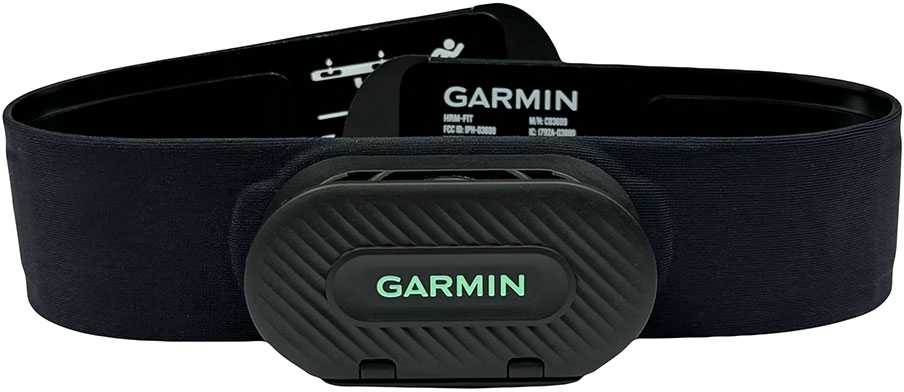
Best for: Women who want a more comfortable and secure fit without a traditional chest strap.
The Garmin HRM-Fit is designed specifically for women, offering a different approach compared to traditional chest straps.
Instead of wrapping around the chest, it clips onto a sports bra, which can feel more comfortable and secure during running and other workouts.
KEY SPECS
- Clip-on design (attaches to sports bra)
- Chest-based measurement (very high accuracy)
- Bluetooth + ANT+ connectivity
- Native Garmin integration
- Running dynamics support
- Up to ~1 year battery life
- Water resistant
WHY WE LIKE IT
- More comfortable fit compared to traditional chest straps
- Stays securely in place during movement
- Very accurate heart rate data
- Works seamlessly with Garmin devices
- Good solution for runners who dislike chest straps
If this is what you’re looking for, you can check the current price: – Check price on Amazon
Keep in mind
It only works well if you use a compatible sports bra, so it’s not as universal as standard chest straps.
If you don’t mind a traditional strap, simpler options may offer the same accuracy at a lower price.
Price checked on Amazon • Updated regularly
# 6 Best for mixed use
Wahoo TICKR Fit Armband
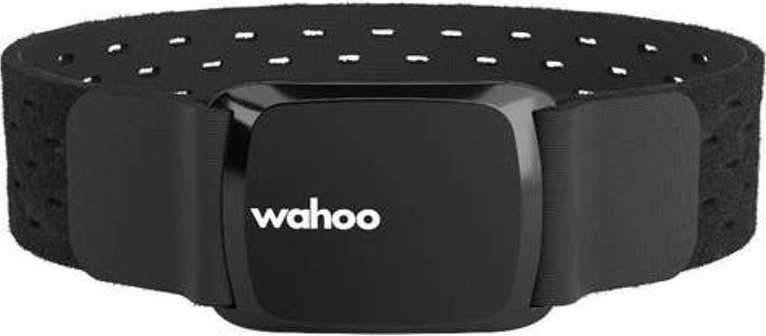
Best for: Runners who also train in the gym and want a simple, comfortable heart rate monitor for mixed workouts.
The Wahoo TICKR FIT is an optical heart rate monitor worn on the arm, designed for comfort and simplicity.
It works well across different types of training, including running, gym sessions, and indoor workouts, making it a versatile option if you don’t want to switch devices.
KEY SPECS
- Arm-based optical sensor
- Good accuracy for most training
- Bluetooth + ANT+ connectivity
- Up to ~30 hours battery life
- Lightweight and comfortable fit
- Works with multiple apps and devices
- Water resistant
WHY WE LIKE IT
- Comfortable and easy to wear
- Works well across different types of workouts
- Simple setup with no chest strap required
- Reliable for everyday training
- Good option if you train both indoors and outdoors
If this is what you’re looking for, you can check the current price: – Check price on Amazon
Keep in mind
Optical sensors are generally less accurate than chest straps, especially during intervals and rapid pace changes.
If you mainly care about precise running data, a chest strap may still be the better choice.
Price checked on Amazon • Updated regularly
# 7 Best battery life
COROS HR Monitor
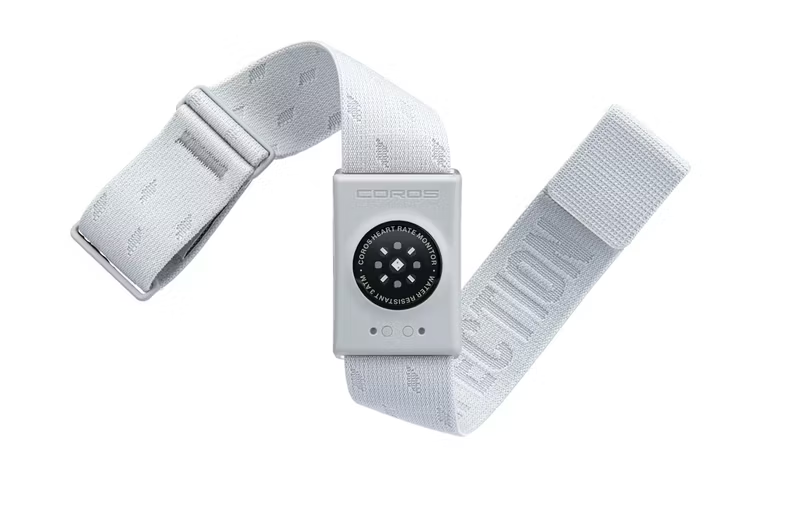
Best for: Runners who want a simple, low-maintenance heart rate monitor with long battery life.
The COROS HR Monitor is designed around simplicity and long battery life.
It uses an optical sensor worn on the arm, making it comfortable and easy to use without the need for a chest strap or frequent battery changes.
KEY SPECS
- Arm-based optical sensor
- Good accuracy for most runs
- Bluetooth connectivity
- Up to ~38 hours battery life
- Rechargeable battery
- Lightweight and minimal design
- Comfortable adjustable strap
WHY WE LIKE IT
- Very long battery life compared to similar devices
- Simple and easy to use
- Comfortable for longer sessions
- No chest strap required
- Good option if you want minimal setup and maintenance
If this is what you’re looking for, you can check the current price: – Check price on Amazon
Keep in mind
It doesn’t support ANT+, which may limit compatibility with some devices.
As an optical sensor, it is also less accurate than chest straps during high-intensity efforts.
Price checked on Amazon • Updated regularly
How to choose a heart rate monitor
Choosing a heart rate monitor mostly comes down to one decision: accuracy vs comfort.
Chest straps (like the Polar H10 or Garmin HRM-Pro Plus) offer the most accurate data, especially during intervals, tempo runs, and races. If you rely on heart rate for structured training, this is still the best option.
Optical sensors worn on the arm (like the Polar Verity Sense or COROS HR Monitor) are more comfortable and easier to use. For easy runs, long runs, and general training, they are usually accurate enough.
The second factor is how you train.
If you already use a Garmin watch, a Garmin strap integrates more smoothly with your data. If you train across different apps or devices, simpler options that work everywhere may make more sense.
In most cases, the right choice is not the most advanced one — it’s the one that fits how you actually train.