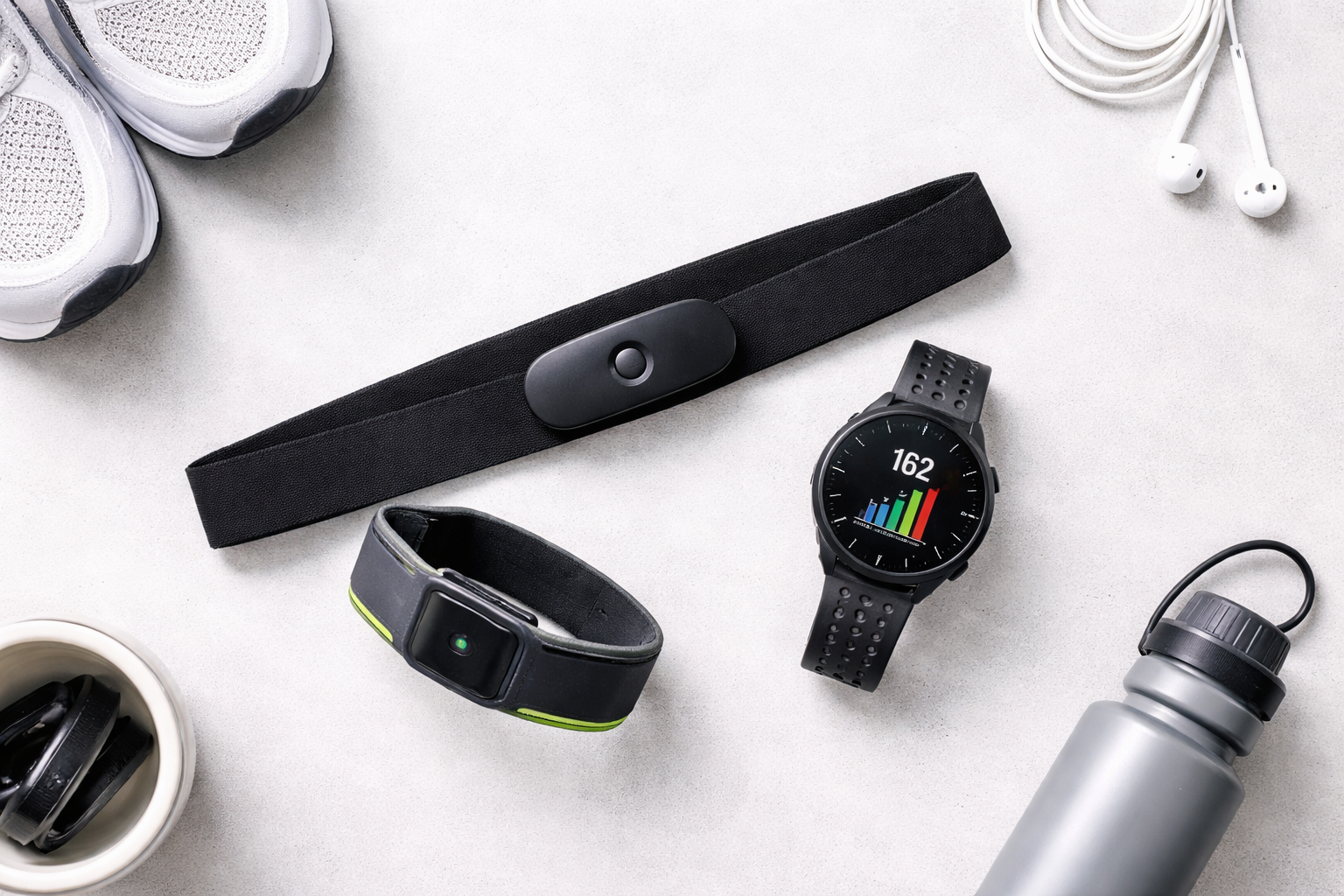
If you rely on heart rate data to guide your training, accuracy matters more than you think.
Wrist-based sensors built into running watches are convenient, but they often struggle during intervals, cold weather, or high-intensity efforts. That’s where dedicated heart rate monitors come in.
Today, runners generally choose between two types:
- Chest straps (ECG-based, traditionally the most accurate)
- Optical arm bands (more comfortable, increasingly reliable)
In this guide, we compare the best heart rate monitors for runners in 2026 — breaking down accuracy, comfort, battery life, and real-world performance so you can choose the right one with confidence.
Some links on this page are affiliate links. If you purchase through them, PaceFoundry may earn a commission at no additional cost to you.
The goal of good running gear is not to impress — it’s to quietly support thousands of kilometers of consistent training.
Quick Picks: Best Heart Rate Monitors for Running
If you want the short version, these are the best heart rate monitors for runners in 2026 — based on accuracy, comfort, battery life, and real-world reliability.
🥇 Best Overall (Most Accurate): Polar H10
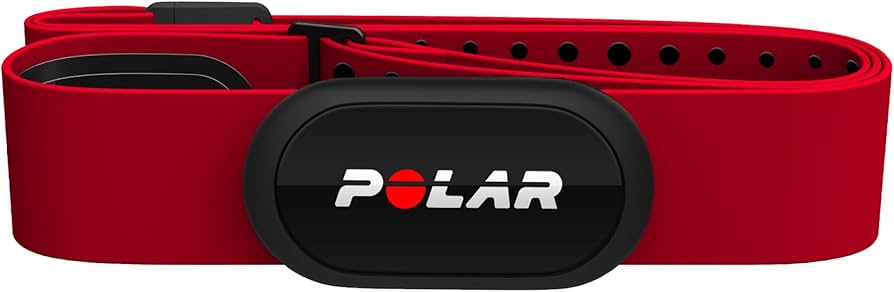
Still considered the gold standard for heart rate accuracy, the Polar H10 delivers precise ECG-based tracking, stable connectivity, and excellent battery life. It’s ideal for serious runners, interval training, and anyone who wants data they can fully trust.
Best for: Runners who prioritize maximum accuracy
Price checked on Amazon • Updated regularly
🥈 Best Optical Arm Monitor: Polar Verity Sense
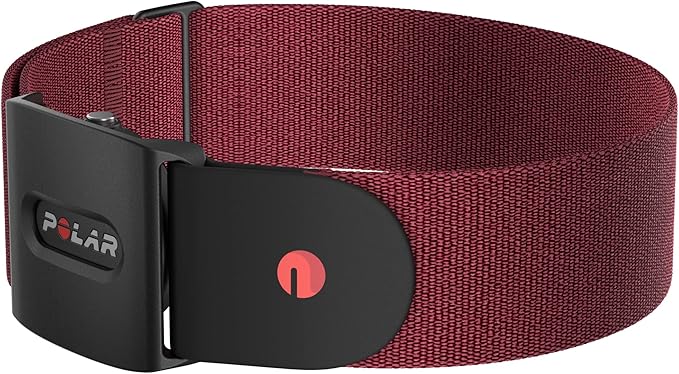
If you prefer comfort without sacrificing too much accuracy, the Polar Verity Sense is the strongest arm-based option available. It’s lightweight, easy to wear, and performs reliably for steady runs and long efforts.
Best for: Runners who dislike chest straps
Price checked on Amazon • Updated regularly
🥉 Best Premium Smart Strap: Garmin HRM-Pro Plus
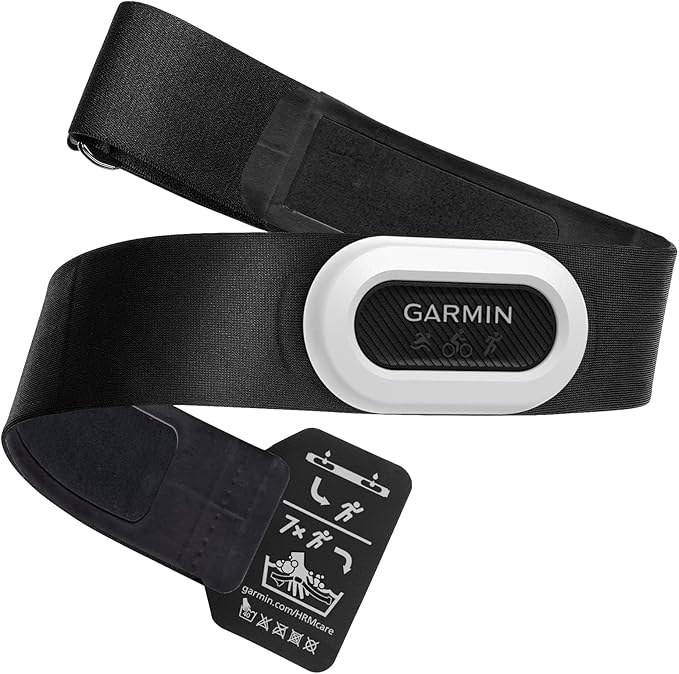
Designed for Garmin users, the HRM-Pro Plus combines accurate chest-based tracking with advanced running dynamics and onboard storage. It integrates seamlessly into the Garmin ecosystem.
Best for: Garmin watch owners who want advanced metrics
Price checked on Amazon • Updated regularly
💰 Best Value Option: Wahoo TICKR
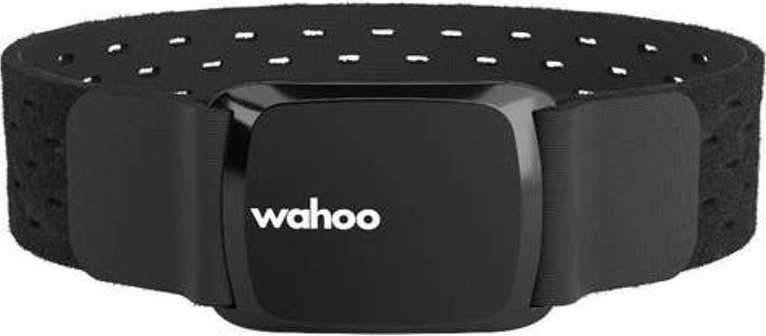
Simple, dependable, and budget-friendly, the Wahoo TICKR offers solid chest-strap accuracy without premium pricing. A great entry point for runners upgrading from wrist-based tracking.
Best for: Runners looking for reliable performance at a lower cost
Price checked on Amazon • Updated regularly
👕 Most Comfortable: COROS Heart Rate Monitor
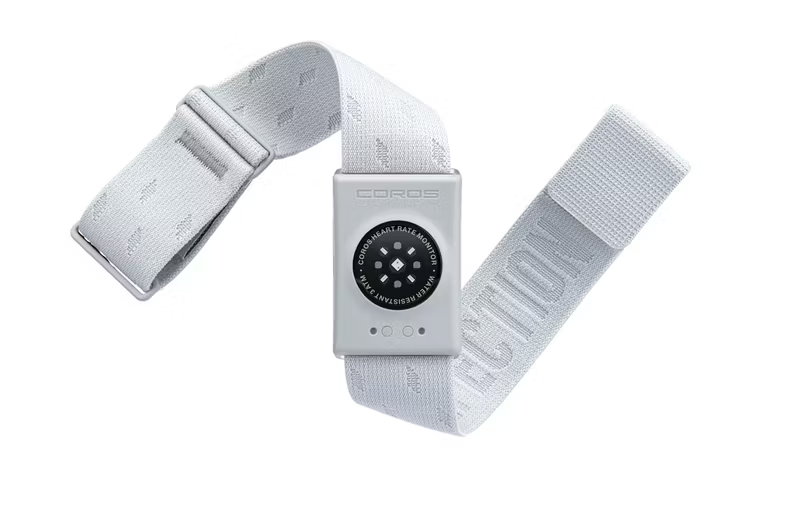
With its soft arm-band design and impressive battery life, the COROS monitor prioritizes comfort while maintaining stable heart rate tracking for everyday training.
Best for: Comfort-focused runners who train frequently
Price checked on Amazon • Updated regularly
🎀 Best for Women Runners: Garmin HRM-Fit
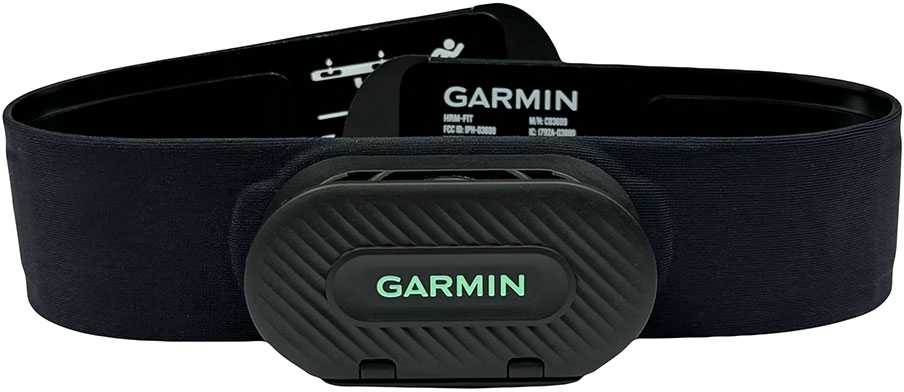
Designed to clip directly onto a medium- or high-support sports bra, the Garmin HRM-Fit offers chest-strap accuracy without the traditional wraparound band. It’s ideal for female runners who want reliable ECG-based heart rate data with a more secure and comfortable fit.
Best for: Women who prefer a sports-bra-compatible design
Price checked on Amazon • Updated regularly
While the quick picks above give you a fast answer, the differences between chest straps and arm-based monitors matter — especially if you’re training seriously.
These recommendations are based on real-world training scenarios, long-distance use, battery performance, and data consistency — not just spec sheets.
Below is a side-by-side comparison of the top models, followed by a detailed breakdown of each device.
Comparison Table: Chest Straps vs Arm Heart Rate Monitors
| Model | Type | Accuracy | Battery Life | Connectivity | Running Dynamics | Best For |
|---|---|---|---|---|---|---|
| Polar H10 | Chest (ECG) | 5/5 | ~400 hrs | ANT+ / Bluetooth | No | Maximum accuracy |
| Garmin HRM-Pro Plus | Chest (ECG) | 5/5 | ~1 year | ANT+ / Bluetooth | Yes | Garmin ecosystem users |
| Wahoo TICKR | Chest (ECG) | 4.5/5 | ~500 hrs | ANT+ / Bluetooth | No | Budget chest strap |
| Garmin HRM-Fit | Clip-on (Bra) | 4.5/5 | ~1 year | ANT+ / Bluetooth | Yes | Women runners |
| Polar Verity Sense | Arm (Optical) | 4.5/5 | ~20 hrs | ANT+ / Bluetooth | No | Comfort + versatility |
| Wahoo TICKR Fit | Arm (Optical) | 4/5 | ~30 hrs | ANT+ / Bluetooth | No | Gym + running |
| COROS HR Monitor | Arm (Optical) | 4.5/5 | ~38 hrs | Bluetooth | No | Long battery life |
Best Chest Strap Heart Rate Monitors
Chest strap heart rate monitors remain the most accurate option for runners who train by data. Because they measure electrical signals directly from the heart (ECG-based technology), they provide more consistent readings during intervals, tempo efforts, and cold-weather runs compared to wrist-based or optical sensors.
If accuracy is your top priority, this category is still the benchmark.
Polar H10 — The Gold Standard for Accuracy
When it comes to reliable heart rate tracking, the Polar H10 is still considered the reference standard.
Unlike optical sensors that estimate heart rate using light, the H10 uses ECG technology to detect the electrical signals of your heartbeat. The result is exceptionally stable data — especially during high-intensity intervals, sprint sessions, and tempo runs where wrist sensors often lag or spike.
The strap itself is soft, adjustable, and designed to stay in place during longer runs. With ANT+ and Bluetooth support, it pairs easily with most running watches, cycling computers, and training apps.
Battery life is another strong advantage, lasting up to approximately 400 hours on a standard CR2032 battery.
Pros
✔ Extremely accurate ECG-based tracking
✔ Reliable signal during intervals and cold weather
✔ Broad device compatibility
✔ Long battery life
Cons
✖ Requires wearing a chest strap
✖ No advanced running dynamics
Best For
Serious runners, marathon training, interval sessions, and anyone who wants maximum accuracy.
Price checked on Amazon • Updated regularly
Garmin HRM-Pro Plus — Advanced Metrics for Garmin Users
If you already use a Garmin watch, the HRM-Pro Plus is the most seamless upgrade you can make.
Like the Polar H10, it uses ECG-based technology for highly accurate heart rate tracking. Where it stands apart is in advanced running dynamics. When paired with compatible Garmin watches, it provides additional metrics such as ground contact time, stride length, vertical oscillation, and more.
Another major advantage is onboard storage. If you train without your watch or lose signal temporarily, the HRM-Pro Plus can store activity data and sync it later.
Battery life is excellent, lasting up to approximately one year on a standard replaceable battery. The strap design is slim and comfortable, though slightly more technical in feel compared to simpler chest straps.
If you already use a Garmin watch, the HRM-Pro Plus is the most seamless upgrade you can make.
Like the Polar H10, it uses ECG-based technology for highly accurate heart rate tracking. Where it stands apart is in advanced running dynamics. When paired with compatible Garmin watches, it provides additional metrics such as ground contact time, stride length, vertical oscillation, and more.
Another major advantage is onboard storage. If you train without your watch or lose signal temporarily, the HRM-Pro Plus can store activity data and sync it later.
Battery life is excellent, lasting up to approximately one year on a standard replaceable battery. The strap design is slim and comfortable, though slightly more technical in feel compared to simpler chest straps.
Garmin has also released the newer HRM 600, but the HRM-Pro Plus remains the most widely used chest strap among runners and still offers one of the best balances of reliability, battery life, and compatibility.
Pros
✔ ECG-based accuracy
✔ Advanced running dynamics
✔ Onboard activity storage
✔ Long battery life
✔ Seamless Garmin integration
Cons
✖ Higher price point
✖ Best experience requires a compatible Garmin watch
Best For
Garmin watch owners who want more than just heart rate — especially runners focused on detailed performance metrics.
Price checked on Amazon • Updated regularly
Wahoo TICKR — Reliable Performance at a Lower Price
The Wahoo TICKR is one of the most accessible chest strap heart rate monitors available. It delivers solid ECG-based accuracy without the premium pricing of more advanced models.
For most steady runs, tempo sessions, and structured workouts, the TICKR provides stable and reliable heart rate data. It supports both ANT+ and Bluetooth, making it compatible with a wide range of watches, cycling computers, and training apps.
While it doesn’t include advanced running dynamics or onboard storage features, it focuses on doing the basics well — accurate heart rate tracking at a reasonable cost.
Pros
✔ Accurate ECG-based heart rate tracking
✔ Strong device compatibility
✔ Lightweight and comfortable
✔ Budget-friendly price
Cons
✖ No advanced running dynamics
✖ Fewer premium features
Best For
Runners who want dependable chest-strap accuracy without paying for advanced performance metrics.
Price checked on Amazon • Updated regularly
Garmin HRM-Fit — Best Chest-Based Option for Women
The Garmin HRM-Fit takes a different approach to chest-based heart rate monitoring. Instead of wrapping fully around the torso like a traditional strap, it clips directly onto a medium- or high-support sports bra.
This design provides ECG-based accuracy while eliminating the need for a separate elastic chest band. For many women runners, this results in a more secure and comfortable fit during tempo sessions, long runs, and interval training.
Like the HRM-Pro Plus, it integrates smoothly within the Garmin ecosystem and supports advanced running dynamics when paired with compatible Garmin watches. Battery life is excellent, lasting up to approximately one year with regular use.
While it is designed specifically for sports-bra attachment, that specialization is exactly what makes it valuable for female runners seeking high accuracy without traditional strap discomfort.
Pros
✔ ECG-based chest accuracy
✔ Sports-bra-compatible design
✔ Advanced running dynamics (with compatible Garmin watches)
✔ Long battery life
Cons
✖ Best suited for Garmin ecosystem users
✖ Not designed for traditional chest-strap wearers
Best For
Women runners who want chest-strap accuracy without wearing a traditional wraparound strap.
Price checked on Amazon • Updated regularly
Best Arm-Based (Optical) Heart Rate Monitors
Arm-based heart rate monitors use optical sensors to measure blood flow through the skin, rather than detecting electrical signals from the heart like chest straps do.
While they may not match ECG-based chest straps in maximum accuracy during short, high-intensity intervals, modern optical arm monitors have improved significantly. For steady aerobic runs, long-distance training, and everyday use, they offer a strong balance between comfort and performance.
For runners who dislike chest straps or prefer a less intrusive setup, arm-based monitors can be an excellent alternative.
Wahoo TICKR Fit — A Simple and Comfortable Arm Alternative
The Wahoo TICKR Fit offers a straightforward alternative to traditional chest straps. Worn around the upper arm, it uses optical sensor technology to measure heart rate without the need for a chest band.
For runners who prioritize comfort, the TICKR Fit is easy to forget once it’s on. The soft adjustable strap sits securely during steady runs and moderate-intensity workouts, making it a solid choice for aerobic base training and longer efforts.
It supports both ANT+ and Bluetooth connectivity, allowing it to pair with most running watches and fitness apps. Battery life is approximately 30 hours per charge, which typically covers multiple training sessions before needing a recharge.
While it may not deliver the same level of responsiveness as ECG-based chest straps during short sprints or very high-intensity intervals, it performs reliably for most everyday training scenarios.
Pros
✔ Comfortable arm-based design
✔ Stable performance during steady efforts
✔ Strong device compatibility
✔ Solid battery life
Cons
✖ Less precise during high-intensity intervals
✖ Requires periodic charging
Best For
Runners who value comfort and simplicity over maximum interval precision.
Price checked on Amazon • Updated regularly
COROS Heart Rate Monitor — Long Battery Life in a Minimalist Design
The COROS Heart Rate Monitor is built around simplicity and long battery life. Like other arm-based devices, it uses optical sensor technology and is worn around the upper arm rather than across the chest.
One of its strongest advantages is battery performance. With up to approximately 38 hours per charge, it lasts longer than many competing optical arm monitors, reducing the need for frequent recharging during high-volume training weeks.
The design is minimal and lightweight, with a soft elastic band that stays in place during steady runs and long aerobic sessions. It connects via Bluetooth and pairs smoothly with most modern running watches and training apps.
While it does not provide ECG-level precision during short, maximal efforts, it performs consistently for endurance training, recovery runs, and structured aerobic work.
Pros
✔ Excellent battery life for an arm-based monitor
✔ Lightweight, minimalist design
✔ Comfortable for long runs
✔ Stable Bluetooth connectivity
Cons
✖ No ANT+ support
✖ Slightly less responsive during sprint efforts
Best For
Endurance-focused runners who want a comfortable arm-based monitor with longer battery life.
Price checked on Amazon • Updated regularly
Chest Strap vs Arm Band — Which Should You Choose?
Chest straps and arm-based monitors both offer reliable heart rate tracking, but they serve slightly different priorities.
The core difference comes down to measurement method. Chest straps use ECG technology to detect the electrical signals of your heartbeat directly from the chest. Arm-based monitors use optical sensors to measure blood flow through the skin.
In real-world running scenarios, that difference shows up most clearly during high-intensity efforts.
Accuracy During Intervals
If you regularly train with intervals, sprints, or tempo sessions, chest straps remain the more precise option. They respond faster to rapid heart rate changes and are less prone to lag or short signal spikes.
Arm-based monitors have improved significantly in recent years, but during very short bursts of intensity, they can occasionally react slightly slower than ECG-based straps.
Long, Steady Runs
For aerobic base training, long runs, and recovery sessions, the difference in accuracy becomes much smaller. In these scenarios, most modern arm-based monitors perform very well and are more than sufficient for structured endurance training.
Comfort and Practicality
Comfort is where arm-based monitors often win. Many runners simply prefer not wearing a chest strap, especially during long sessions.
Chest straps can feel restrictive for some users, while arm monitors are typically easier to forget once positioned correctly.
For female runners, specialized solutions like bra-compatible chest monitors can offer a strong balance between accuracy and comfort.
Battery and Maintenance
Chest straps typically use replaceable coin-cell batteries and can last several months to a year before replacement.
Arm-based monitors use rechargeable batteries, which means more frequent charging but no battery replacements.
Clear Recommendation
If maximum accuracy is your priority — especially for interval training and performance-focused marathon preparation — a chest strap remains the gold standard.
If comfort and simplicity matter more, and most of your training consists of steady aerobic running, a modern arm-based monitor is a strong and practical alternative.
What to Look for in a Heart Rate Monitor
When choosing a heart rate monitor, the right option depends on how you train and what data you care about most.
If you’re unsure how heart rate zones apply to your training, read our guide on why your heart rate may feel too high on easy runs.
Here are the key factors to consider before making a decision.
1. Measurement Technology
Chest straps use ECG technology, measuring the electrical signals of your heartbeat. This makes them the most accurate option, especially during high-intensity intervals and tempo work.
Arm-based monitors use optical sensors that detect blood flow through the skin. While slightly less responsive during short sprints, modern optical monitors perform very well for steady aerobic training.
2. Training Style
If your training includes structured intervals, sprint repeats, or race-specific sessions, accuracy becomes more important — and a chest strap is usually the better choice.
If most of your runs are steady, aerobic, or recovery-focused, an arm-based monitor may be more than sufficient. Runners who follow a structured training approach often combine easy aerobic runs with harder workouts throughout the week.
3. Comfort and Fit
Some runners dislike the feeling of a chest strap, especially during longer sessions. Arm-based monitors are often perceived as more comfortable and less restrictive.
For women runners, sports-bra-compatible options provide an alternative to traditional wraparound straps.
4. Connectivity and Compatibility
Most modern heart rate monitors support both Bluetooth and ANT+ connectivity, but not all devices support both protocols.
Before buying, make sure your watch or training app is compatible with the monitor you choose.
5. Battery Type
Chest straps typically use replaceable coin-cell batteries that can last several months.
Arm-based monitors use rechargeable batteries, requiring periodic charging but eliminating battery replacements.
Final Recommendations
Choosing the right heart rate monitor ultimately comes down to one question: do you prioritize maximum accuracy or everyday comfort?
If your training includes structured intervals, race preparation, or performance-focused marathon work, a chest strap remains the most precise and reliable option. Among them, the Polar H10 continues to set the standard for accuracy, while the Garmin HRM-Pro Plus adds advanced running dynamics for those invested in the Garmin ecosystem.
If comfort matters more — and most of your training consists of steady aerobic runs — a modern arm-based monitor is a strong and practical alternative. The Polar Verity Sense stands out for balance and versatility, while the COROS Heart Rate Monitor offers excellent battery life in a minimalist design.
For women runners seeking chest-level accuracy without a traditional wraparound strap, the Garmin HRM-Fit provides a unique and well-designed solution.
There is no universally “best” heart rate monitor — only the one that best fits how you train.