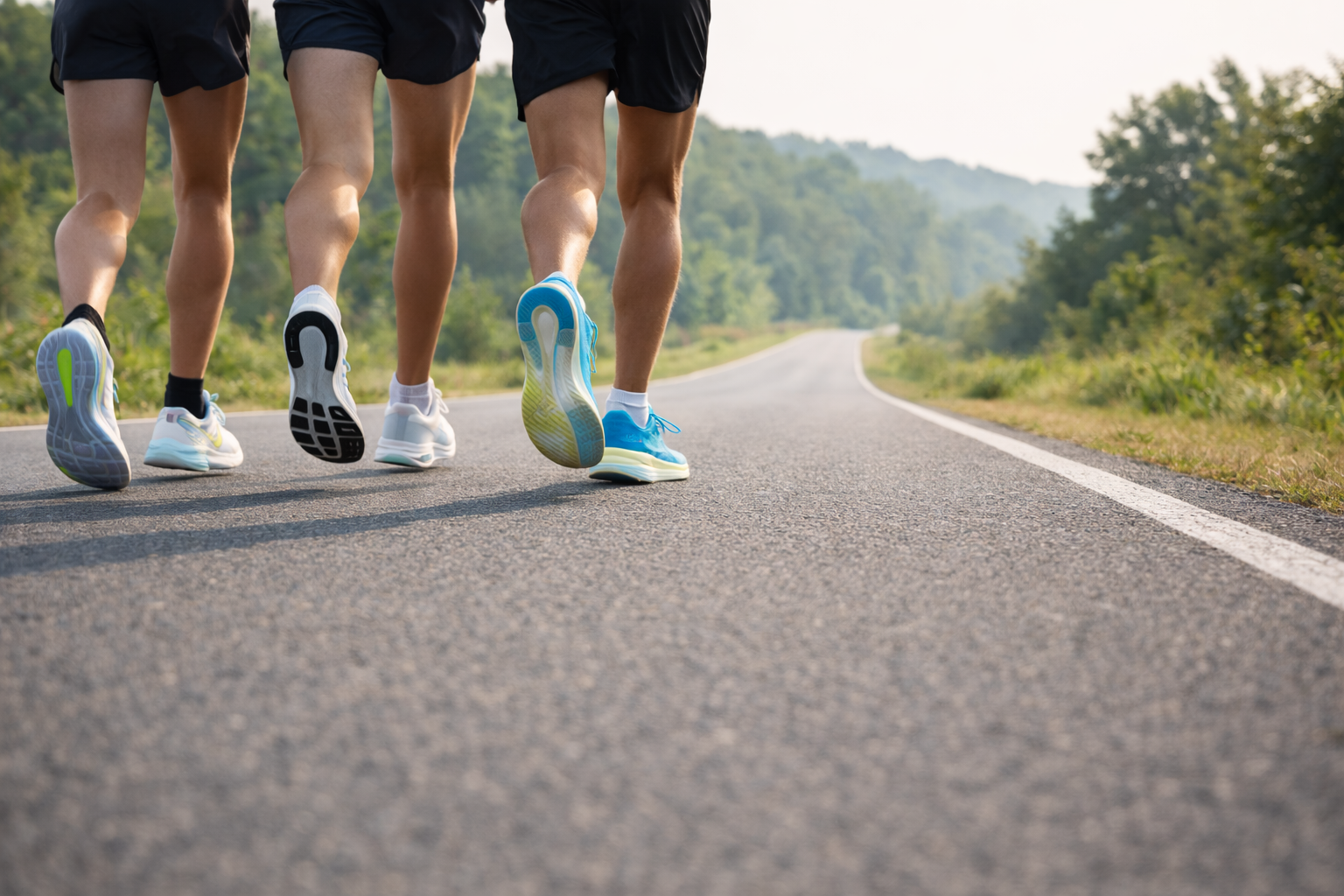
Choosing the right daily training shoe can make a huge difference in comfort, injury prevention, and long-term consistency. In this guide, we compare some of the best daily trainers available today and explain which type of runner each shoe works best for.
Daily training shoes are the foundation of most running routines. Unlike racing shoes or specialized tempo models, daily trainers are designed to handle the majority of your weekly mileage. They need to balance cushioning, durability, stability, and comfort.
Because every runner has slightly different preferences, there is no single “perfect” running shoe. Some runners prefer soft cushioning for long runs, while others want a lighter and more responsive ride. The shoes in this guide represent some of the best options currently available for everyday training.
The goal of good running gear is not to impress — it’s to quietly support thousands of kilometers of consistent training.
Top picks
Quick comparison of the best running shoes
| Shoe | Best for | Weight | Drop | Ride feel | Price |
|---|---|---|---|---|---|
| ★ Nike Vomero Plus | Best overall | ~290 g | 10 mm | Very soft and cushioned | Check price |
| Adidas Adizero SL | Best value | ~243 g | 8.5 mm | Light and responsive | Check price |
| ASICS Novablast 4 | Best daily trainer | ~260 g | 8 mm | Bouncy and energetic | Check price |
| Hoka Clifton 9 | Best max cushioning | ~248 g | 5 mm | Soft and smooth | Check price |
| Nike Zoom Fly 6 | Best for tempo runs | ~265 g | 8 mm | Firm and fast | Check price |
* Weights are approximate for men’s standard sizes and may vary by size.
# 1 Best overall — Nike Vomero Plus
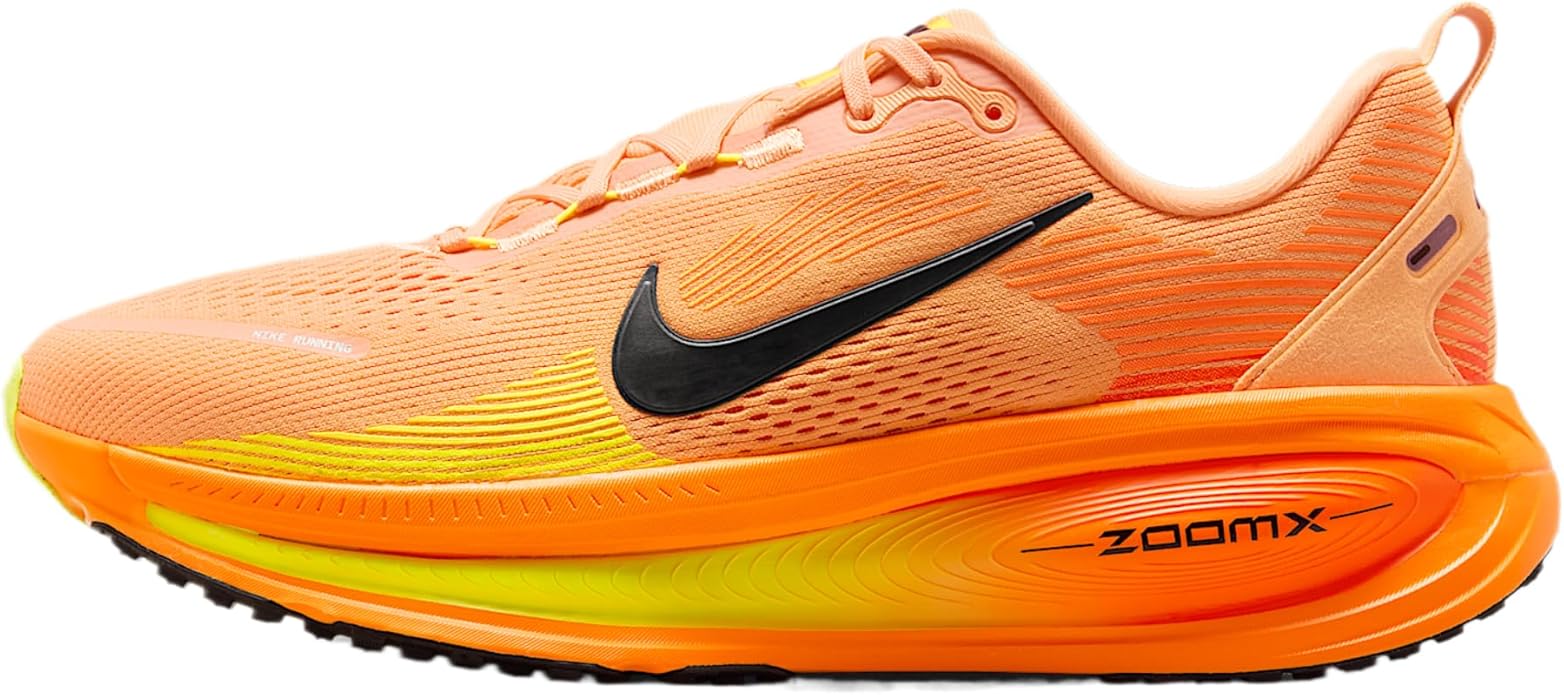
If you want one running shoe that can handle almost every type of run, the Nike Vomero Plus is one of the safest picks available today. It combines a highly cushioned midsole with a smooth and stable ride that works well for daily training, long runs, and recovery days.
Compared with more aggressive performance shoes, the Vomero Plus focuses on comfort and durability. That makes it a great option for runners who want one reliable pair that can cover most of their weekly mileage without feeling overly firm or demanding.
KEY SPECS
- Weight: ~290 g (men’s)
- Drop: 10 mm
- Type: cushioned daily trainer
- Midsole: ZoomX-based cushioning
- Upper: breathable engineered mesh
- Best use: daily runs and long runs
WHY WE LIKE IT
- Very comfortable for longer runs
- Soft cushioning without feeling unstable
- Durable enough for high weekly mileage
- Easy shoe for beginners and experienced runners
Keep in mind
The Vomero Plus focuses on comfort rather than speed. Runners who want a lighter or more responsive shoe for interval workouts may prefer something like the Nike Zoom Fly or Adidas Adizero models instead.
Because of its cushioning and weight, the Vomero Plus is best used as a daily trainer rather than a racing shoe.
Price checked on Amazon • Updated regularly
# 2 Best value — Adidas Adizero SL
⭐ Best budget-friendly running shoe in this guide
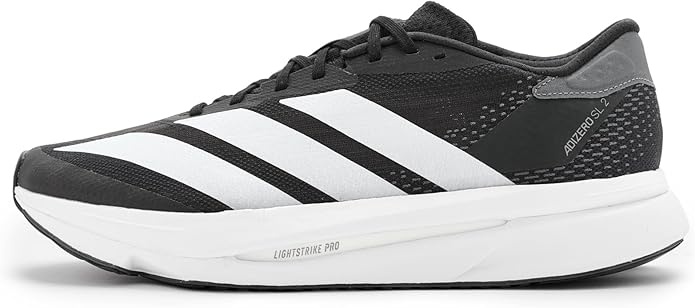
If you want a lightweight running shoe without paying premium prices, the Adidas Adizero SL is one of the best value options available today.
It delivers a responsive ride that works well for daily runs, faster training sessions, and even occasional races.
Compared with many highly cushioned daily trainers, the Adizero SL feels lighter and more agile. That makes it a great choice for runners who prefer a slightly faster feel without jumping straight into aggressive racing shoes.
KEY SPECS
- Weight: ~243 g (men’s)
- Drop: 8.5 mm
- Type: lightweight trainer
- Midsole: Lightstrike foam
- Upper: breathable mesh
- Best use: daily runs and tempo workouts
WHY WE LIKE IT
- Very good price-to-performance ratio
- Lightweight feel compared with many daily trainers
- Works for both easy runs and faster sessions
- Reliable everyday training shoe
Keep in mind
The Adizero SL is lighter and firmer than highly cushioned shoes like the Nike Vomero or Hoka Clifton. Runners who prefer maximum softness for long runs may prefer those models instead.
Price checked on Amazon • Updated regularly
# 3 Best daily trainer — ASICS Novablast
⭐ One of the most popular daily trainers among runners
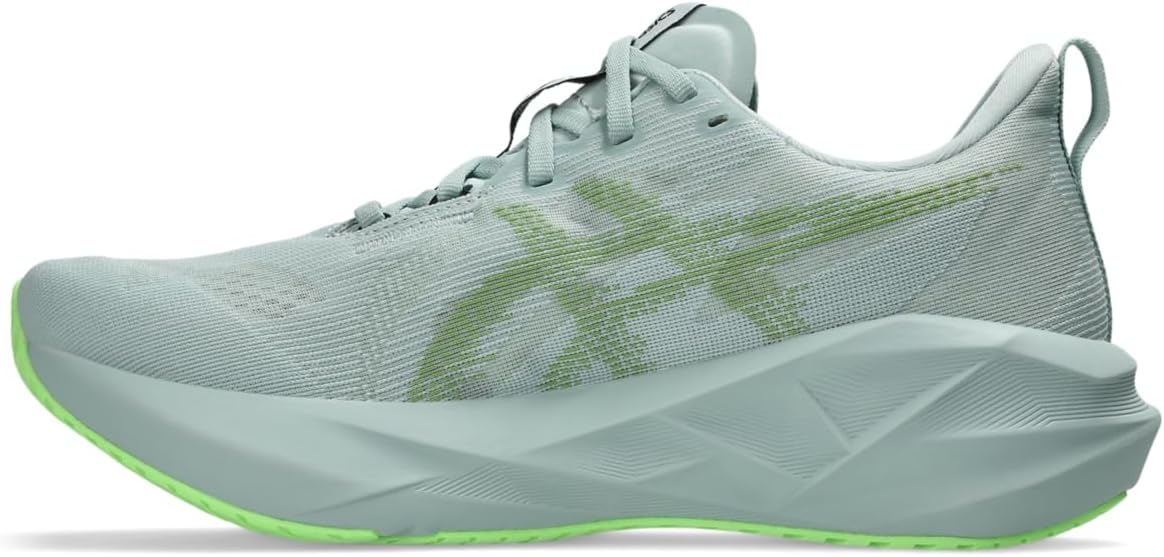
If you want a running shoe that feels lively and energetic on almost every run, the ASICS Novablast is one of the most popular daily trainers available today. Its lightweight design and highly responsive foam give it a noticeably bouncy feel compared with many traditional training shoes.
That makes the Novablast a great choice for runners who want one shoe that can handle easy runs, longer distances, and even some faster workouts without feeling heavy or overly soft.
KEY SPECS
- Weight: ~260 g (men’s)
- Drop: 8 mm
- Type: daily trainer
- Midsole: FF Blast+ foam
- Upper: engineered mesh
- Best use: daily runs and long runs
WHY WE LIKE IT
- Very lively and bouncy ride
- Lightweight for a daily trainer
- Comfortable for longer distances
- Works for both easy runs and faster sessions
Keep in mind
The Novablast focuses on energy return and bounce rather than maximum softness. Runners who prefer a more cushioned and stable feel may prefer shoes like the Nike Vomero or Hoka Clifton instead.
Price checked on Amazon • Updated regularly
# 4 Best max cushioning — Hoka Clifton
⭐ A soft and comfortable option for easy mileage
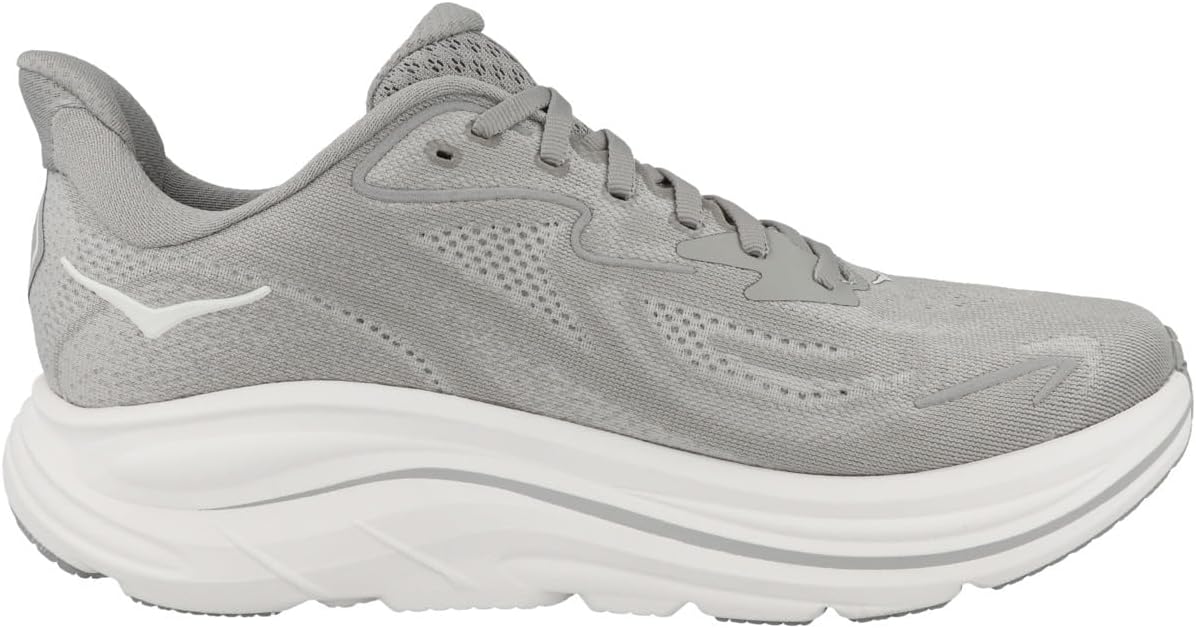
If comfort is your top priority, the Hoka Clifton 9 is one of the safest choices in this guide. It is designed to make daily training feel smooth and easy, with a soft underfoot feel that works especially well for relaxed mileage, recovery runs, and longer aerobic sessions.
Compared with firmer or more responsive shoes, the Clifton 9 is less about speed and more about consistency. It is a strong option for runners who want a reliable daily trainer that reduces harshness and keeps easy days feeling comfortable.
KEY SPECS
- Weight: ~248 g (men’s)
- Drop: 5 mm
- Type: max-cushion daily trainer
- Midsole: CMEVA cushioning
- Upper: engineered knit/mesh upper
- Best use: easy runs and long runs
WHY WE LIKE IT
- Soft and smooth ride for daily mileage
- Lightweight for a cushioned shoe
- Comfortable for easy and long runs
- Good option for runners who want less harsh impact
Keep in mind
The Clifton 9 is built more for comfort than speed. Runners who want a livelier or more aggressive ride for tempo workouts may prefer shoes like the ASICS Novablast or Nike Zoom Fly 6 instead.
Price checked on Amazon • Updated regularly
# 5 Best for tempo runs — Nike Zoom Fly 6
⭐ A strong option for faster workouts and marathon training
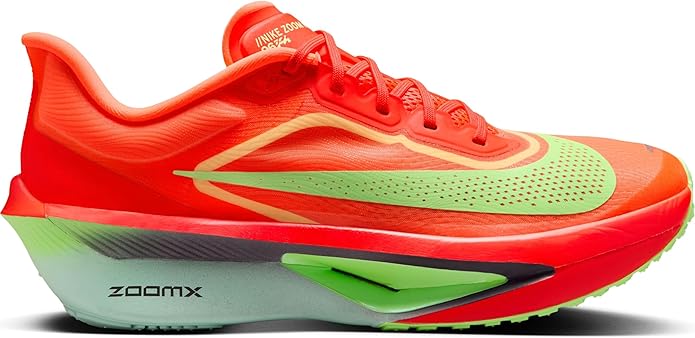
If you want a running shoe that feels faster and more efficient during workouts, the Nike Zoom Fly 6 is one of the best options available today. It combines a responsive foam midsole with a carbon-infused plate that helps maintain rhythm and efficiency during tempo runs and longer marathon-pace efforts.
Compared with traditional daily trainers, the Zoom Fly feels firmer and more performance-oriented. That makes it a good choice for runners who want a training shoe that prepares them for racing without using a dedicated race-day super shoe for every workout.
KEY SPECS
- Weight: ~265 g (men’s)
- Drop: 8 mm
- Type: tempo / performance trainer
- Midsole: ZoomX foam + carbon plate
- Upper: lightweight engineered mesh
- Best use: tempo runs and marathon training
WHY WE LIKE IT
- Efficient ride for faster workouts
- Carbon plate helps maintain running rhythm
- More durable than most racing shoes
- Good bridge between daily trainers and race shoes
Keep in mind
The Zoom Fly 6 is firmer and less cushioned than shoes like the Nike Vomero or Hoka Clifton. It works best for faster sessions rather than relaxed easy runs.
Price checked on Amazon • Updated regularly
How to choose running shoes
Cushioning
Running shoes differ mainly in how much cushioning they provide. Some runners prefer a very soft and protective feel for long and easy runs, while others prefer a firmer and more responsive ride for faster workouts.
Highly cushioned shoes like the Nike Vomero or Hoka Clifton are often used for daily mileage and long runs. Lighter shoes such as the Adidas Adizero SL or Nike Zoom Fly usually feel faster and more responsive but may feel firmer during easy runs.
Weight
Weight can significantly affect how a running shoe feels during training. Lighter shoes often feel more agile and responsive, which makes them popular for tempo runs and faster workouts.
Heavier shoes are usually more cushioned and comfortable for longer distances. Many runners choose a balance between comfort and weight depending on the type of running they do most often.
Heel-to-toe drop
Heel-to-toe drop refers to the difference in height between the heel and the forefoot of a running shoe. Most running shoes fall between 5 mm and 10 mm.
Higher drops can feel more comfortable for runners who land on their heels, while lower drops may feel more natural for runners who land closer to the midfoot.
Daily trainer vs tempo shoe
Most runners benefit from using a versatile daily trainer for the majority of their mileage. Shoes like the ASICS Novablast or Nike Vomero are designed to handle easy runs, long runs, and general training.
Tempo shoes such as the Nike Zoom Fly are built for faster efforts. They often include firmer midsoles or carbon plates that improve efficiency during harder workouts.
When should you replace running shoes?
Most running shoes last between 500 and 800 kilometers depending on the model, running surface, and the runner’s body weight. As cushioning materials compress over time, the shoe may feel less comfortable and less supportive.
Many runners rotate between two pairs of shoes to extend their lifespan and allow the midsole foam to recover between runs.
Prices and availability change frequently, so it is always worth checking the latest offers.